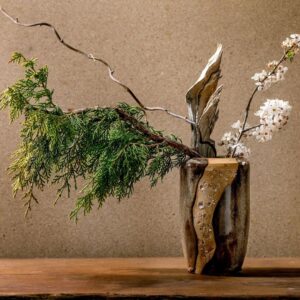
Ikebana: The Japanese Art of Flower Arrangement and Its Zen Roots
Ikebana (生け花, “making flowers alive”) is the Japanese art of flower arrangement, also known as kadō (花道, “the way of
Ikebana (生け花, “making flowers alive”) is the Japanese art of flower arrangement, also known as kadō (花道, “the way of
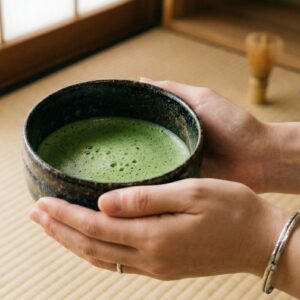
Chadō (茶道, “the Way of Tea”), commonly known as the Japanese tea ceremony, is a meditative practice of preparing and
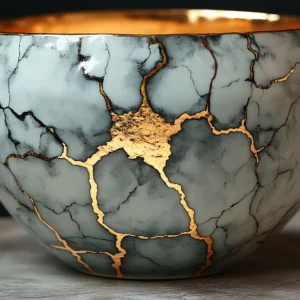
Kintsugi (金継ぎ, “golden joinery”) is the Japanese art of repairing broken ceramics with lacquer mixed with powdered gold, silver, or
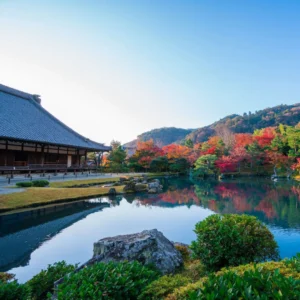
Zen architecture is a building philosophy rooted in Zen Buddhist principles that prioritizes simplicity, natural materials, spatial emptiness, and the
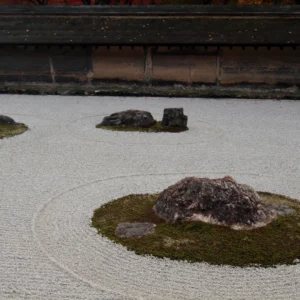
Japanese Zen gardens (枯山水, karesansui, “dry landscape”) are minimalist garden compositions that use rocks, raked gravel, moss, and carefully placed
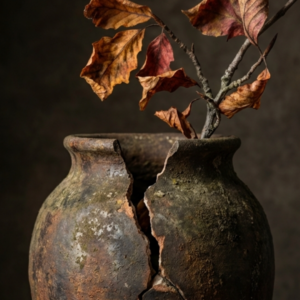
Wabi-sabi (侘び寂び) is a Japanese aesthetic philosophy centered on finding beauty in imperfection, impermanence, and incompleteness. Originating from Zen Buddhist