Books That Sit with You
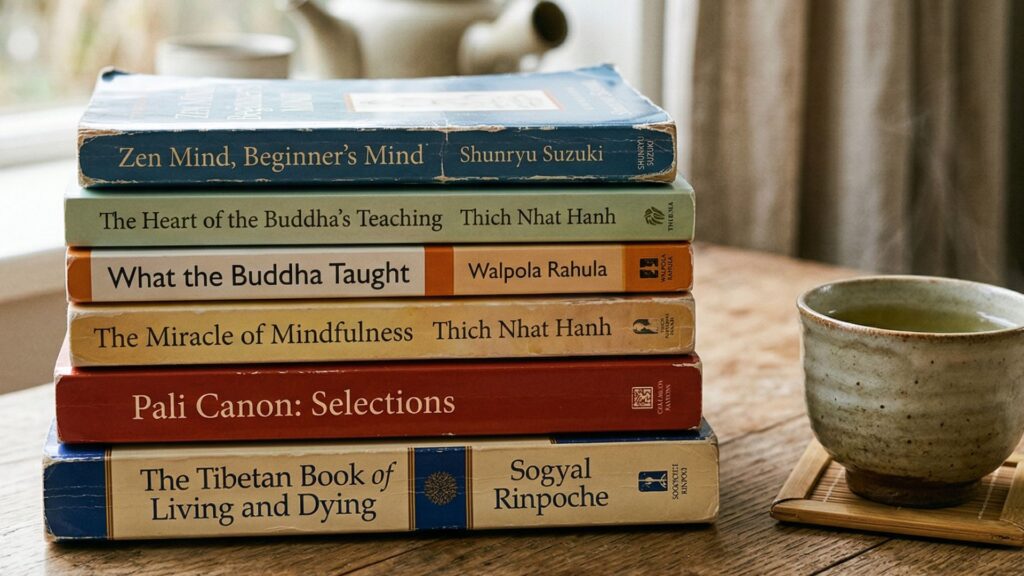
Most reading lists give you titles and move on. This one tells you why each book matters—what it will change in your understanding, what kind of reader it is best suited for, and where it fits in the larger landscape of Buddhist thought.
Buddhism is not a single tradition. It is a vast, branching river of practice and philosophy that has been flowing for twenty-five centuries across dozens of cultures. The Zen Buddhism practiced in Japanese monasteries, the Theravada meditation taught in Myanmar, and the Tibetan Buddhism of the Dalai Lama share common roots but speak in very different voices. The best book for you depends on what you are seeking—stillness, understanding, courage, compassion, or simply a different way of seeing ordinary life.
This guide organizes the essential Buddhist books by tradition and purpose, with Zen Buddhism as the starting point—because Zen’s emphasis on direct experience over theory makes it the most natural entry point for readers coming to Buddhism through practice rather than study.
Comprehensive guide: What Is Zen Buddhism?
Zen Buddhism: The Core Collection
If you read nothing else on this list, read one of these. Each is a direct transmission of Zen insight from a teacher who lived it—not an academic summary but a voice speaking from the center of the practice.
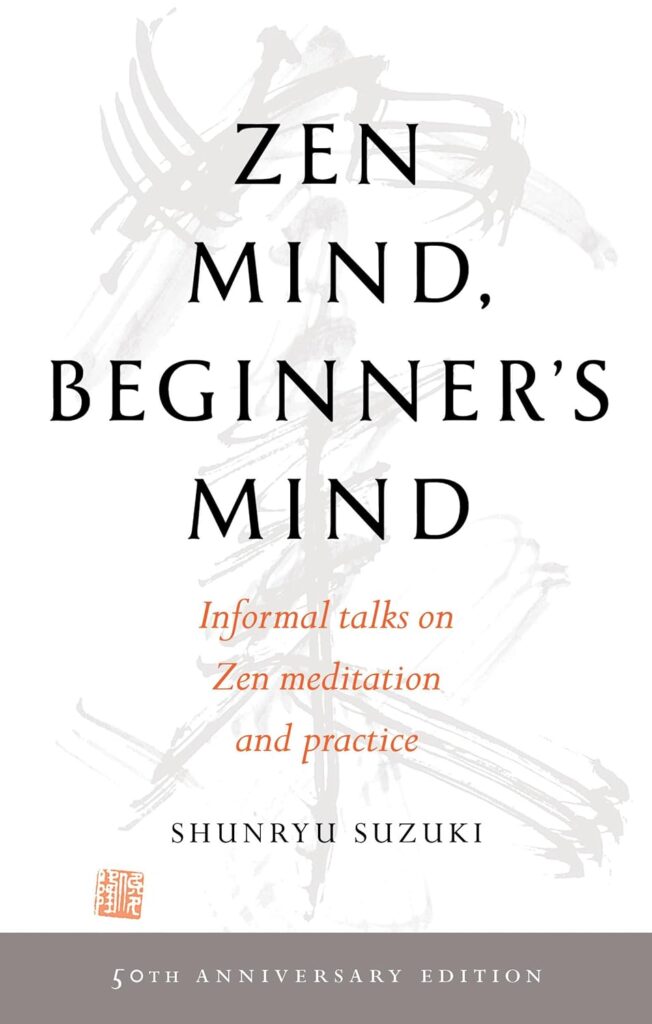
Zen Mind, Beginner’s Mind — Shunryu Suzuki (1970)
The single most recommended Zen book in the world, and for good reason. Suzuki Roshi, founder of the San Francisco Zen Center, delivers informal talks on posture, breathing, and the nature of mind with such simplicity that you may not realize how profound they are until you return to them years later. The central teaching—”In the beginner’s mind there are many possibilities, but in the expert’s mind there are few”—has become one of the most quoted lines in Western Buddhism.
Best for: Absolute beginners. Anyone who wants to understand what Zen practice actually feels like from the inside.
The Way of Zen — Alan Watts (1957)
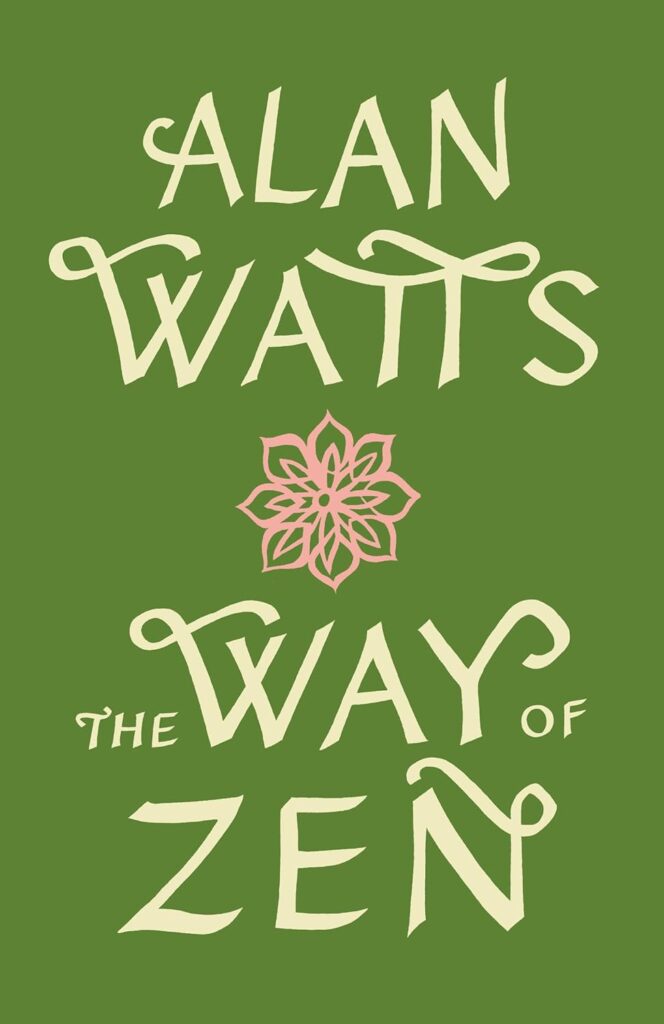
Alan Watts was not a Zen teacher—he was a philosopher and writer who could explain Eastern ideas to Western minds with extraordinary clarity. The Way of Zen remains the best historical and philosophical introduction to Zen Buddhism ever written in English. Watts traces Zen from its Taoist and Buddhist roots through its development in China and Japan, making connections that academic texts often miss.
Best for: Readers who want intellectual understanding before (or alongside) practice. Those coming from a Western philosophical background.
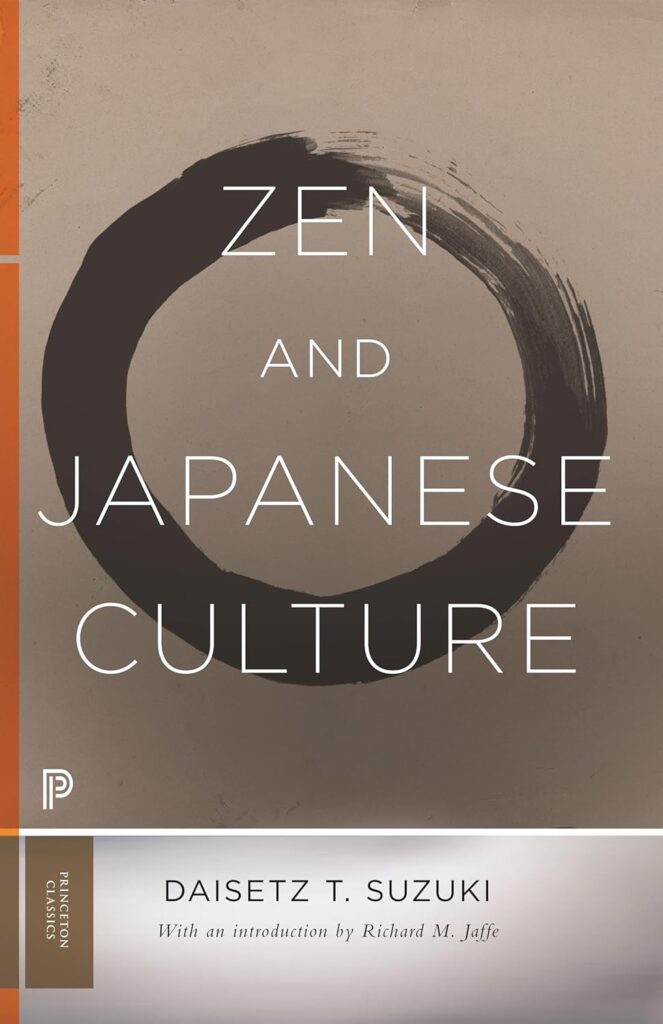
Zen and Japanese Culture — D.T. Suzuki (1959)
Daisetsu Teitaro Suzuki was the philosopher who opened the door for Zen in the West. This book examines how Zen philosophy shaped Japanese art, architecture, swordsmanship, tea ceremony, and poetry. It is not an introduction to Zen practice but an exploration of Zen influence—how a spiritual tradition became an aesthetic and cultural force.
Related guide: Tea Ceremony: History, Philosophy & How to Experience It
Best for: Readers interested in the intersection of Zen with arts, culture, and aesthetics. Essential companion to any visit to Japan’s temples and gardens.
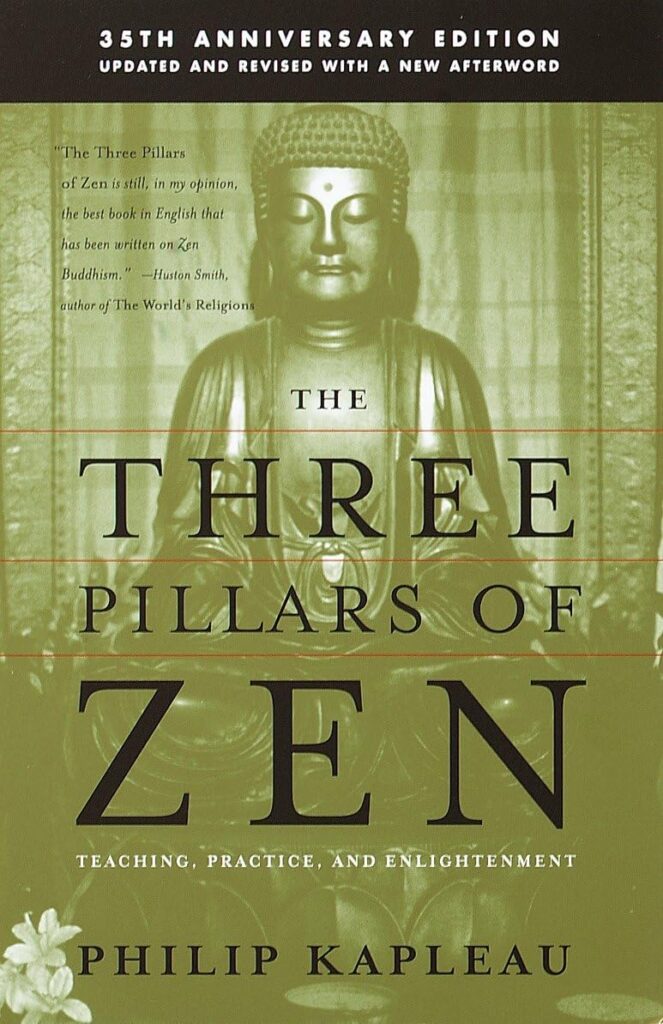
The Three Pillars of Zen — Philip Kapleau (1965)
Where Suzuki Roshi speaks gently, Kapleau speaks directly. This book contains detailed instructions for zazen practice, accounts of enlightenment experiences (kenshō), and the lectures of Kapleau’s teacher, Yasutani Roshi. It is the most practical and rigorous Zen book in English—less philosophy, more method.
Comprehensive guide: How to Practice Zazen meditation at Home:Step-by-Step Guide for Beginners
Best for: Serious practitioners who want a structured approach to zazen. Those who prefer discipline over poetry.
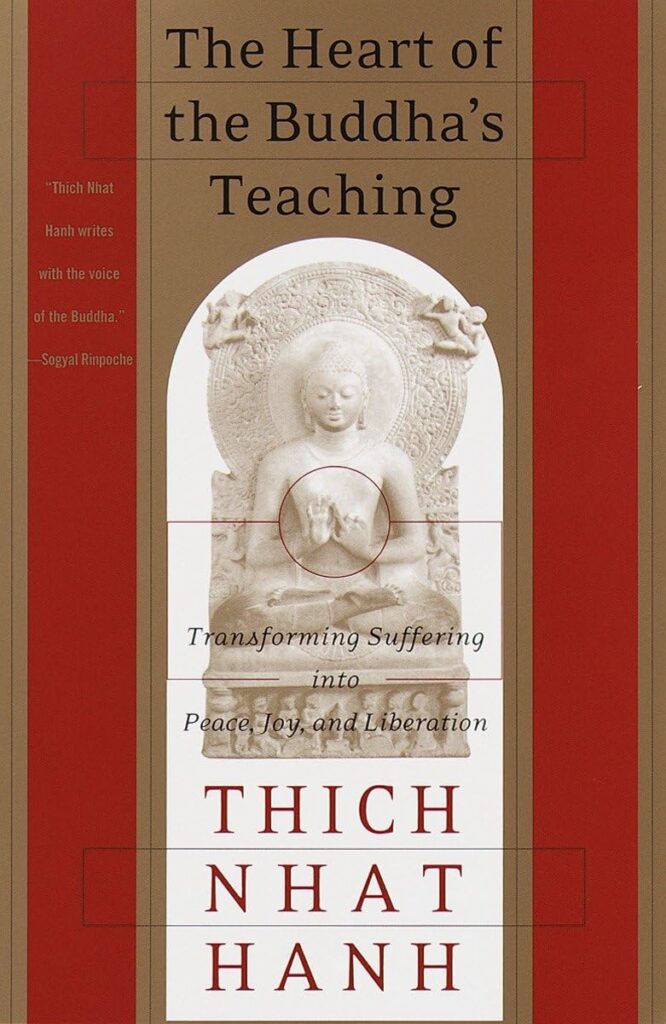
The Heart of the Buddha’s Teaching — Thich Nhat Hanh (1998)
Thich Nhat Hanh bridges Zen and Theravada with a warmth and accessibility that no other teacher matches. This book presents the core Buddhist teachings—the Four Noble Truths, the Eightfold Path, the Three Marks of Existence—through the lens of his own practice and experience. His writing is so clear and calm that reading it is itself a form of meditation.
Best for: Anyone. This is the single best introduction to Buddhism as a whole—not just Zen, not just Theravada, but the shared foundation that all traditions build on.
For Absolute Beginners
Not sure where to start? These books assume no prior knowledge and no existing practice. They meet you exactly where you are.
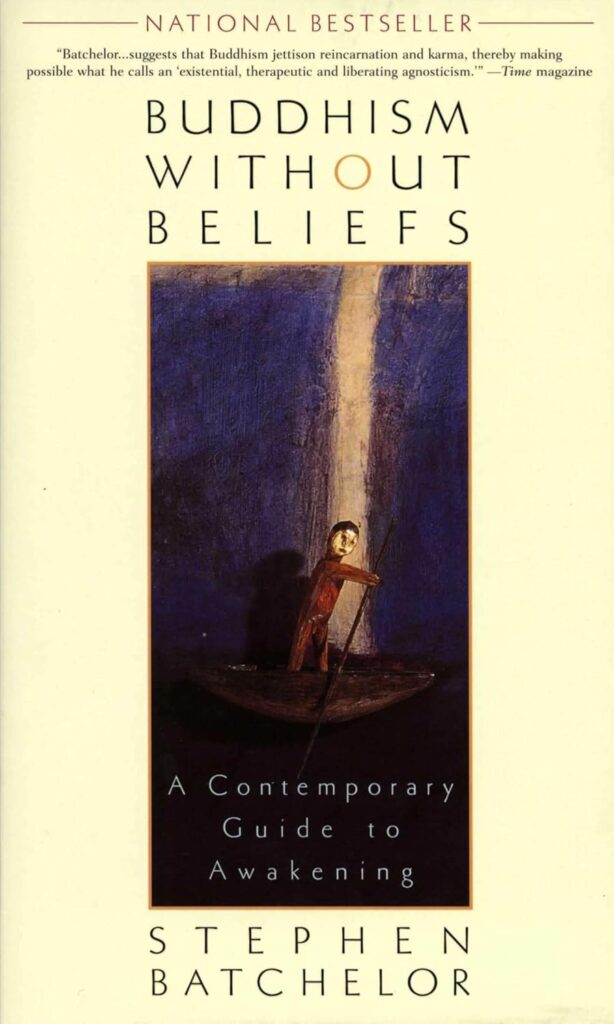
Buddhism Without Beliefs — Stephen Batchelor (1997)
Batchelor strips Buddhism to its philosophical core, removing the metaphysical elements (rebirth, karma as cosmic law, celestial beings) that many Western readers find difficult. What remains is a practical, agnostic approach to suffering, impermanence, and awakening. Controversial among traditional Buddhists, but extraordinarily effective as an entry point for skeptical, intellectually rigorous readers.
Best for: Skeptics. Readers who are drawn to Buddhist philosophy but uncomfortable with religious frameworks.
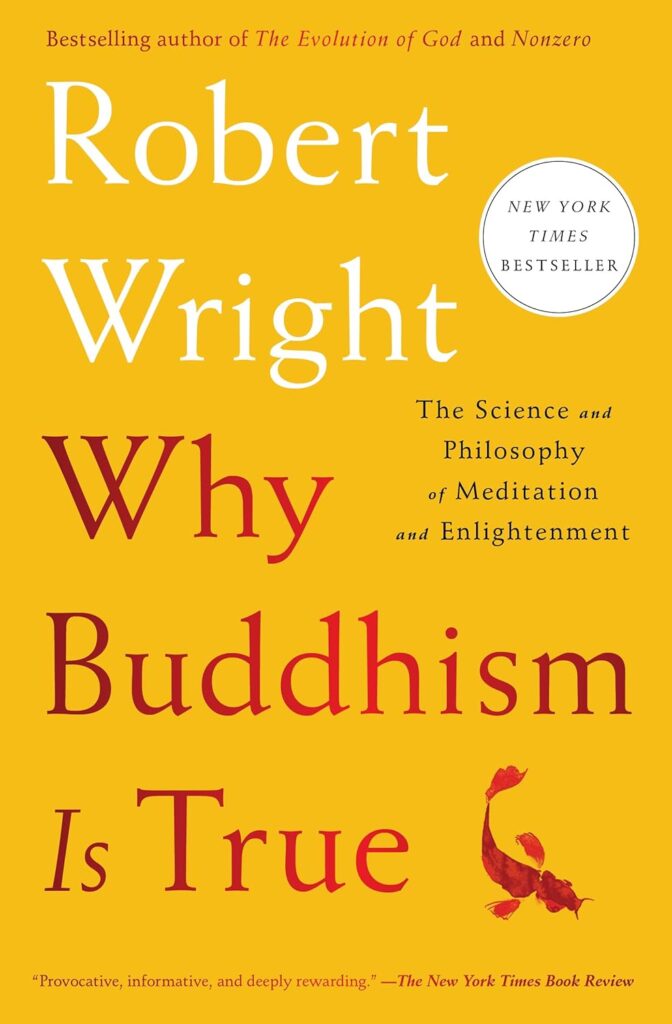
Why Buddhism Is True — Robert Wright (2017)
Wright, an evolutionary psychologist, examines Buddhist claims about the mind through the lens of modern cognitive science—and finds that many of them hold up remarkably well. The result is a book that makes the case for meditation and Buddhist psychology without requiring any faith commitment. It reads like a science book that happens to agree with a 2,500-year-old spiritual tradition.
Best for: Science-minded readers. Those who want evidence-based reasons to meditate before committing to a practice.
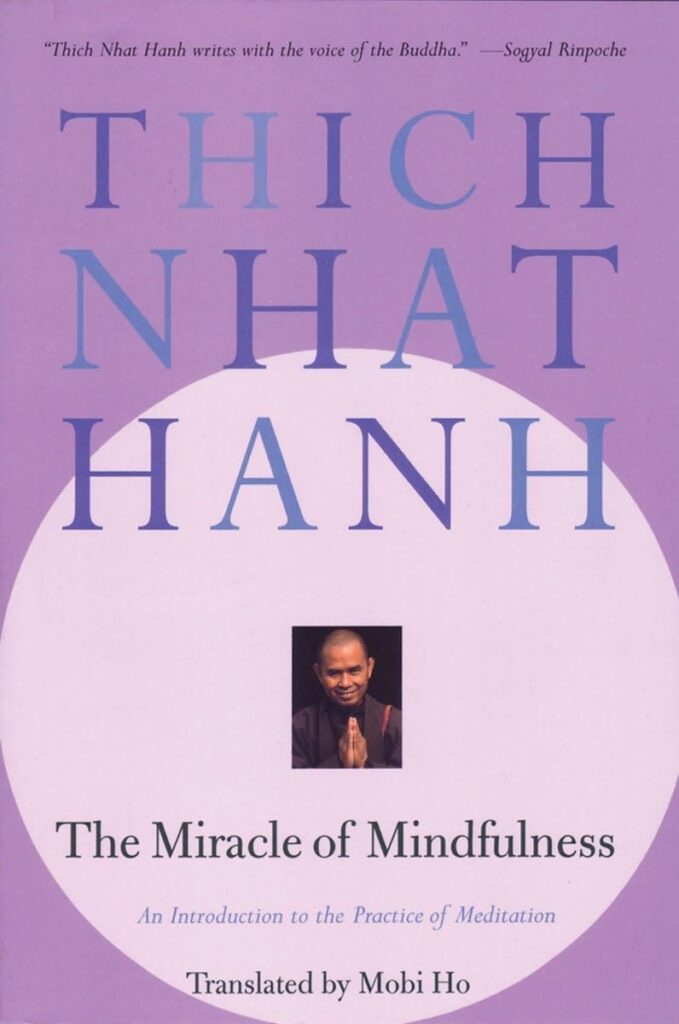
The Miracle of Mindfulness — Thich Nhat Hanh (1975)
A slim, gentle manual for bringing mindfulness into daily activities—washing dishes, drinking tea, walking. Originally written as a letter to young monks in Vietnam during the war, it carries an urgency beneath its calm surface. This is perhaps the most accessible Buddhist book ever written—you can read it in an afternoon and practice what it teaches for a lifetime.
Comprehensive guide: Zen Mindfulness in the Modern Workplace
Best for: Complete beginners. Anyone feeling overwhelmed by life who wants a place to start.
Theravada and Vipassana
The Theravada tradition—the “school of the elders”—preserves the earliest forms of Buddhist practice and the Pali Canon scriptures. Vipassana meditation, its central practice, is the most widely taught form of Buddhist meditation worldwide.
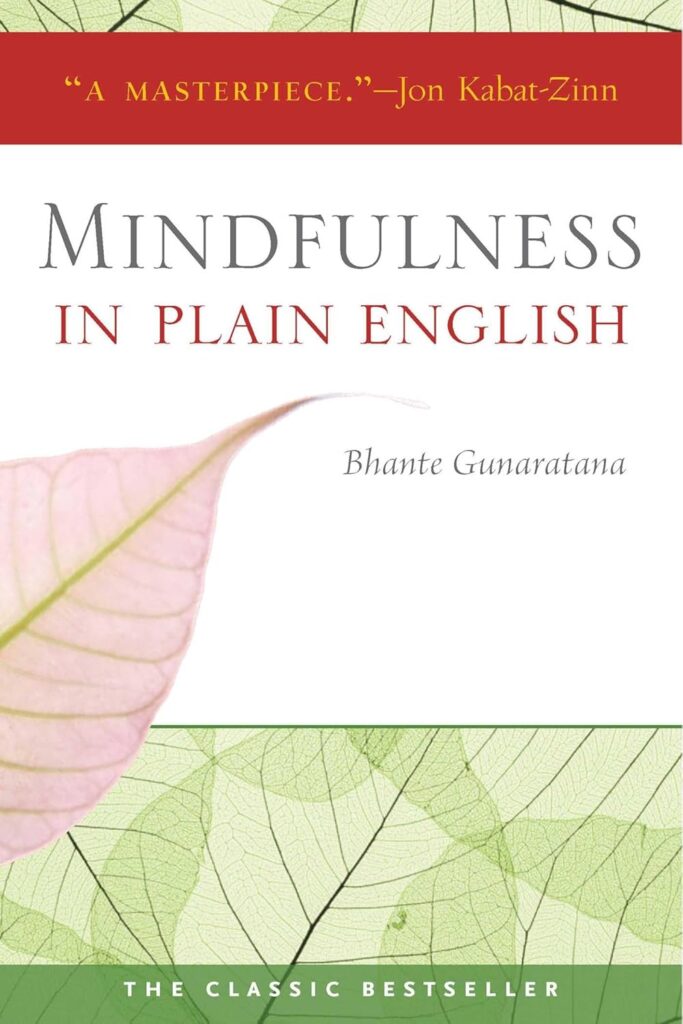
Mindfulness in Plain English — Bhante Henepola Gunaratana (1991)
The clearest, most practical guide to vipassana (insight) meditation ever written. Gunaratana, a Sri Lankan monk, explains the technique with no mysticism, no jargon, and no filler. Each chapter addresses a specific challenge: distraction, physical discomfort, boredom, sleepiness. If you want to meditate and need someone to tell you exactly how, this is the book.
Best for: Anyone who wants a no-nonsense meditation manual. Works equally well for Zen practitioners curious about vipassana.
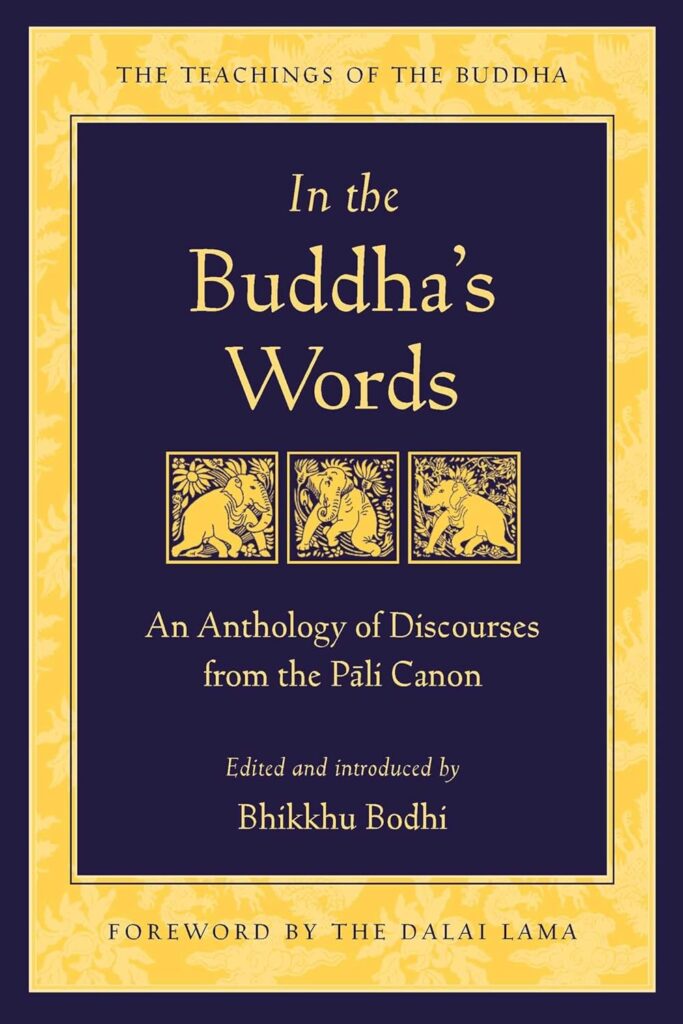
In the Buddha’s Words — Bhikkhu Bodhi (2005)
An anthology of the Buddha’s discourses from the Pali Canon, selected and introduced by one of the foremost translators of early Buddhist texts. This is the closest you can get to what the historical Buddha actually taught—organized thematically and with scholarly introductions that make even the most ancient passages accessible.
Best for: Serious students. Readers who want to go to the source rather than rely on modern interpretations.
Tibetan Buddhism
Tibetan Buddhism combines philosophical rigor with devotional practice, visualization techniques, and a literary tradition of extraordinary depth.
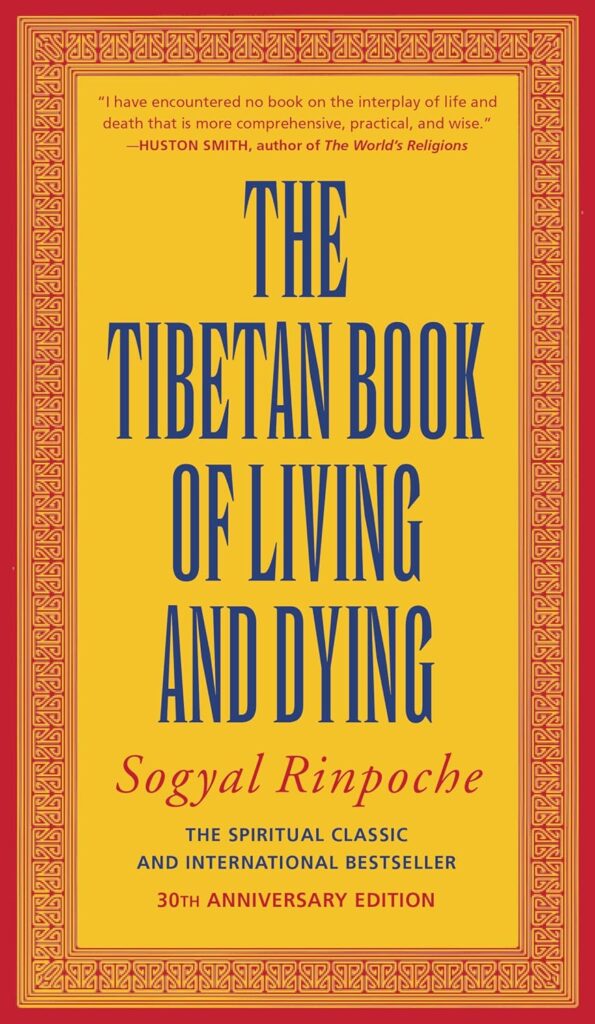
The Tibetan Book of Living and Dying — Sogyal Rinpoche (1992)
A modern classic that presents Tibetan Buddhist teachings on death, dying, and the nature of mind in language accessible to contemporary Western readers. Despite controversy surrounding its author, the book’s content remains one of the most powerful introductions to Tibetan thought—particularly its teachings on impermanence and the preparation for death as preparation for life.
Best for: Readers confronting mortality—their own or someone else’s. Those drawn to Tibetan Buddhism’s direct engagement with death.
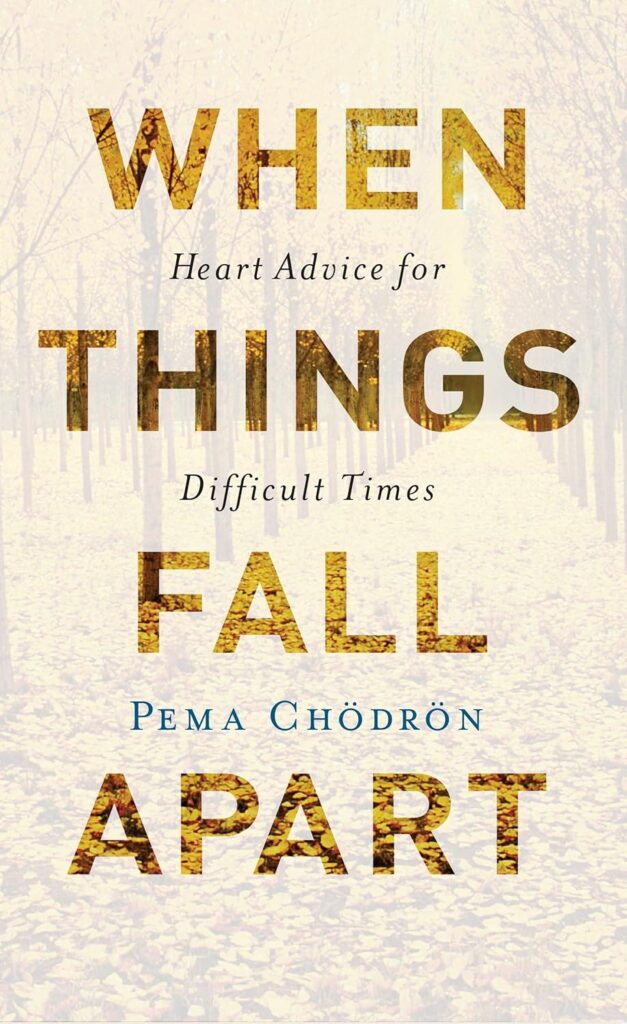
When Things Fall Apart — Pema Chödrön (1997)
Pema Chödrön, an American Tibetan Buddhist nun, writes about suffering with a directness and tenderness that makes this book feel like a conversation with a wise friend. Her central teaching—that we can learn to stay present with pain instead of running from it—draws on Tibetan tonglen practice and the warrior tradition of Shambhala Buddhism.
Best for: Anyone going through a difficult time. Readers who need compassion more than philosophy.
Philosophy and the Mind
These books explore Buddhism as a system of thought—engaging with questions of consciousness, perception, ethics, and the nature of reality.
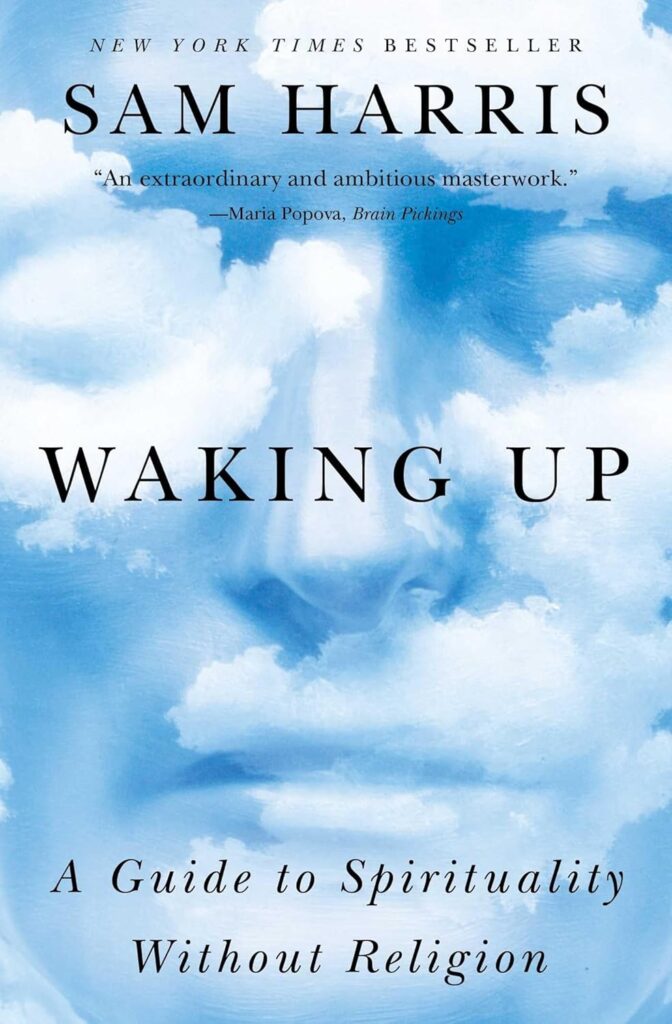
Waking Up — Sam Harris (2014)
Harris, a neuroscientist and meditation practitioner, makes a secular case for the value of Buddhist meditation and the investigation of consciousness. He draws primarily on Dzogchen (Tibetan) and Advaita Vedanta traditions, arguing that the insights of contemplative practice are accessible without religious belief. Controversial, rigorous, and compellingly argued.
Best for: Atheists and agnostics interested in meditation. Readers from a scientific background who want to explore consciousness.
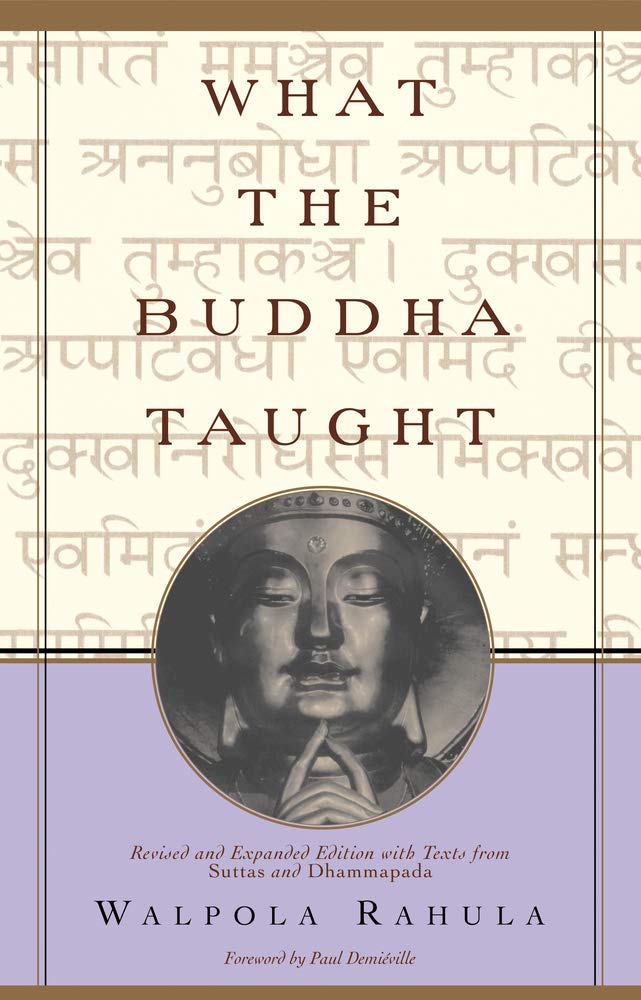
What the Buddha Taught — Walpola Rahula (1959)
The most concise and accurate introduction to core Buddhist doctrine. Rahula, a Sri Lankan monk and scholar, presents the Four Noble Truths, the Eightfold Path, and the nature of mind in under 200 pages with an authority that comes from deep personal practice. No padding, no unnecessary commentary—just the teachings, clearly explained.
Best for: Readers who want the philosophical foundation in the shortest possible time. Students and scholars.
Zen Koans and Poetry
Koans—the paradoxical questions and stories used in Rinzai Zen training—are among the most fascinating and misunderstood elements of Buddhist literature. These collections present them with the context needed to appreciate their depth.
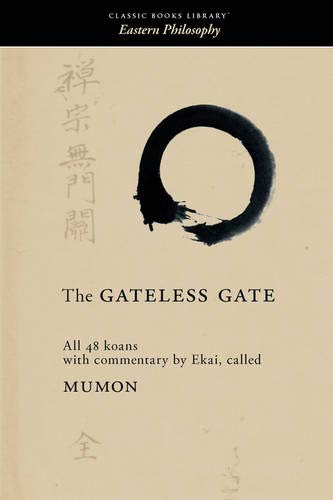
The Gateless Gate (Mumonkan) — Mumon Ekai, translated by Koun Yamada (2004)
Forty-eight koans compiled by the thirteenth-century Chinese Zen master Wumen Huikai, each with Wumen’s commentary and a verse. “What is the sound of one hand clapping?” and “Does a dog have Buddha-nature?” originate here. Yamada’s translation, with commentary from his own teaching, makes these ancient puzzles more accessible than any other English edition.
Best for: Practitioners in koan study. Anyone curious about the Zen tradition of using paradox as a teaching tool.
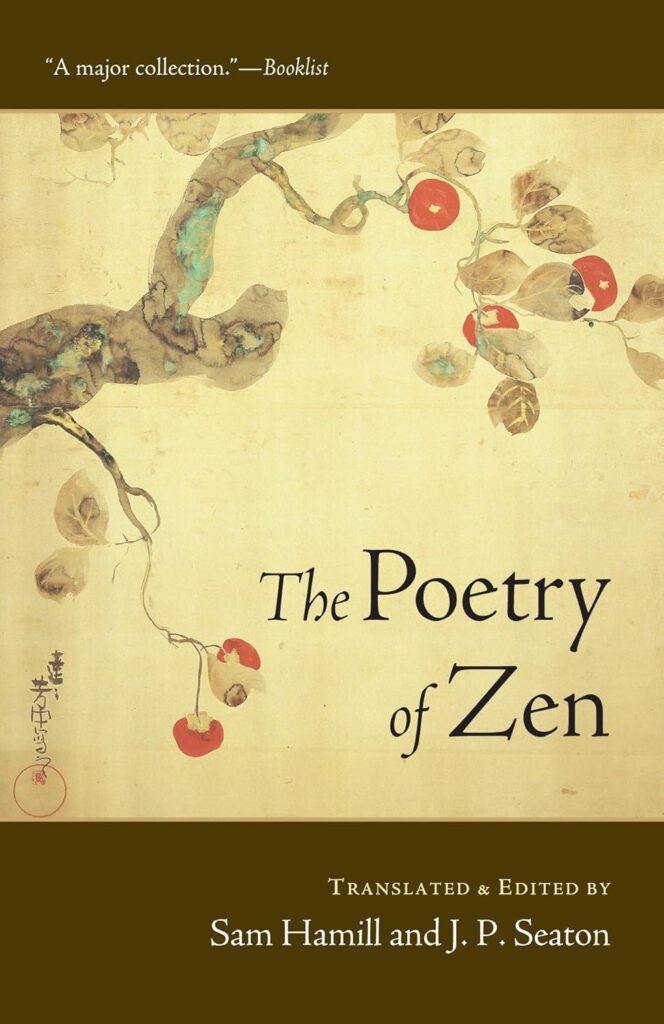
The Poetry of Zen — Sam Hamill and J.P. Seaton (2007)
An anthology spanning fifteen centuries of Chinese and Japanese Zen poetry—from the Tang Dynasty masters through Bashō, Ryōkan, and Ikkyū. Zen poetry at its best captures in a few lines what entire books struggle to express. This collection, beautifully translated and organized, is a companion you can open to any page and find something that stops you.
Best for: Poetry lovers. Readers who respond to image and feeling more than argument and instruction.
The Wabi-Sabi Shelf
Two books that bridge Buddhist philosophy and Japanese aesthetics—essential reading for anyone interested in how Zen shaped the visual and material culture of Japan.
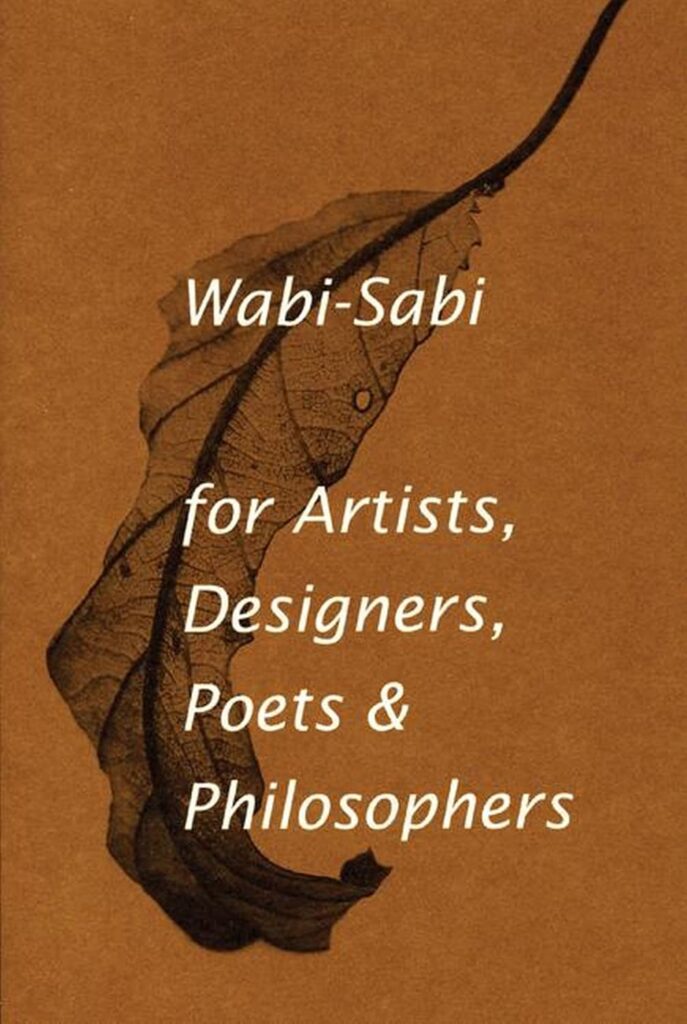
Wabi-Sabi for Artists, Designers, Poets & Philosophers — Leonard Koren (1994)
The definitive English-language introduction to wabi-sabi aesthetics. Koren, an artist and architect, distills the philosophy of imperfection into a slim, beautifully designed volume that itself embodies the principles it describes. This is the book that introduced wabi-sabi to the English-speaking world, and it remains the most precise and evocative account available.
Comprehensive guide: Wabi Sabi : The Japanese Philosophy of Finding Beauty in Imperfection
Best for: Designers, artists, and anyone interested in Japanese aesthetics. Essential companion to the kintsugi, sashiko, and ikebana articles on this site.
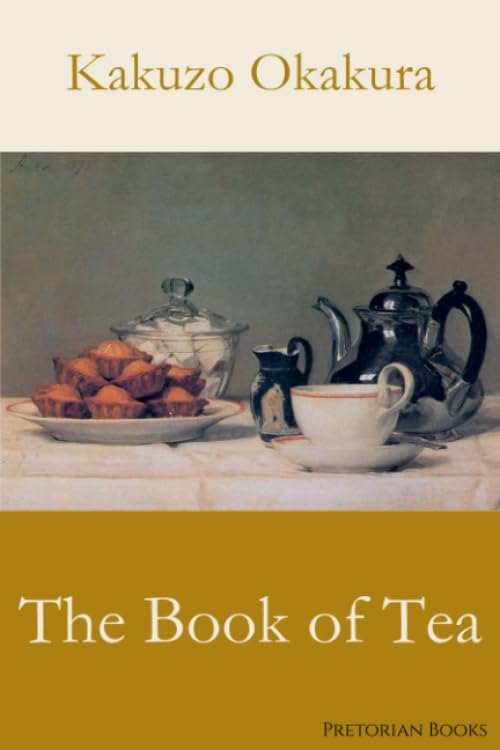
The Book of Tea — Kakuzo Okakura (1906)
Written in English by a Japanese scholar over a century ago, The Book of Tea uses the tea ceremony as a lens through which to examine the entire Japanese aesthetic tradition—architecture, gardens, flower arrangement, and the philosophy of simplicity. At barely a hundred pages, it is one of the most elegant and enduring works of cross-cultural explanation ever written.
Related guide: Tea Ceremony: History, Philosophy & How to Experience It
Best for: Anyone planning to visit Japan. Readers interested in how an entire civilization expressed its spiritual values through daily rituals.
FAQ
Q: What is the best Buddhist book for a complete beginner?
A: The Heart of the Buddha’s Teaching by Thich Nhat Hanh. It covers the essential teachings of all Buddhist traditions with extraordinary clarity and warmth, assumes no prior knowledge, and leaves you with both understanding and the desire to practice. If you are specifically drawn to Zen, start with Zen Mind, Beginner’s Mind by Shunryu Suzuki.
Q: What Buddhist book should I read if I only read one?
A: Zen Mind, Beginner’s Mind by Shunryu Suzuki. It is short, it is deep, and it rewards rereading for decades. The first time you read it, it seems simple. The fifth time, it seems infinite.
Q: Are there Buddhist books that do not require religious belief?
A: Yes. Buddhism Without Beliefs by Stephen Batchelor, Why Buddhism Is True by Robert Wright, and Waking Up by Sam Harris all approach Buddhist insights from secular, philosophical, or scientific perspectives. Buddhism is unusual among world religions in that its core practices—meditation, ethical living, investigation of the mind—do not require belief in any supernatural claims.
Q: What is the best book on Zen koans?
A: The Gateless Gate (Mumonkan) in the Koun Yamada translation is the most accessible and authentic collection. For a wider survey, Zen Flesh, Zen Bones compiled by Paul Reps includes the Mumonkan alongside other classic collections and Zen stories.
Q: Where should I go after reading these beginner books?
A: After the foundational texts, your path depends on your interest. For deeper Zen practice: The Three Pillars of Zen (Kapleau) or Opening the Hand of Thought (Kosho Uchiyama). For Buddhist psychology: The Mind Illuminated (Culadasa). For the intersection of Buddhism and Japanese culture: Zen and Japanese Culture (D.T. Suzuki) and the articles on this site covering tea ceremony, kintsugi, sashiko, and ikebana.
The Book That Finds You
There is a Zen saying: when the student is ready, the teacher appears. The same is true of books. The right Buddhist book finds you at the right moment—not because you searched for it, but because something in your life created the space for it.
Comprehensive guide: Japanese Zen Garden Design
You may need Pema Chödrön’s compassion this year and Kapleau’s discipline next year. You may read Alan Watts at twenty and return to Suzuki Roshi at forty and find a completely different book. This is not inconsistency. It is growth.
Start anywhere on this list. Read slowly. Sit with what you read before reaching for the next book. The purpose of Buddhist literature is not to fill your mind with ideas but to create the conditions for you to see clearly—and seeing clearly does not happen by accumulating knowledge. It happens by putting the book down, closing your eyes, and being present with whatever is here.
The rest takes care of itself.

References
- Suzuki, S. (1970). Zen Mind, Beginner’s Mind. Weatherhill.
- Watts, A. (1957). The Way of Zen. Pantheon Books.
- Suzuki, D. T. (1959). Zen and Japanese Culture. Princeton University Press.
- Kapleau, P. (1965). The Three Pillars of Zen. Beacon Press.
- Hanh, T. N. (1998). The Heart of the Buddha’s Teaching. Broadway Books.
- Gunaratana, B. H. (1991). Mindfulness in Plain English. Wisdom Publications.
- Koren, L. (1994). Wabi-Sabi for Artists, Designers, Poets & Philosophers. Imperfect Publishing.
- Okakura, K. (1906). The Book of Tea. Putnam’s Sons.