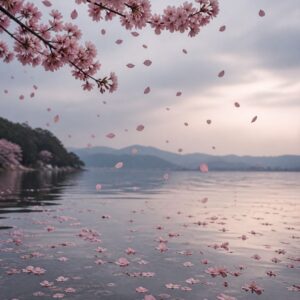
Ichigo ichie (一期一会) is a Japanese four-character idiom meaning “one time, one meeting.” Rooted in the tea ceremony tradition of Sen no Rikyū and later formalized by the feudal lord Ii Naosuke, ichigo ichie expresses the Zen Buddhist awareness that every encounter is unique, unrepeatable, and shaped by impermanence (mujō). The phrase teaches that each moment—whether a shared meal, a conversation, or a chance meeting—deserves complete presence and appreciation, because it will never occur again in exactly the same way.
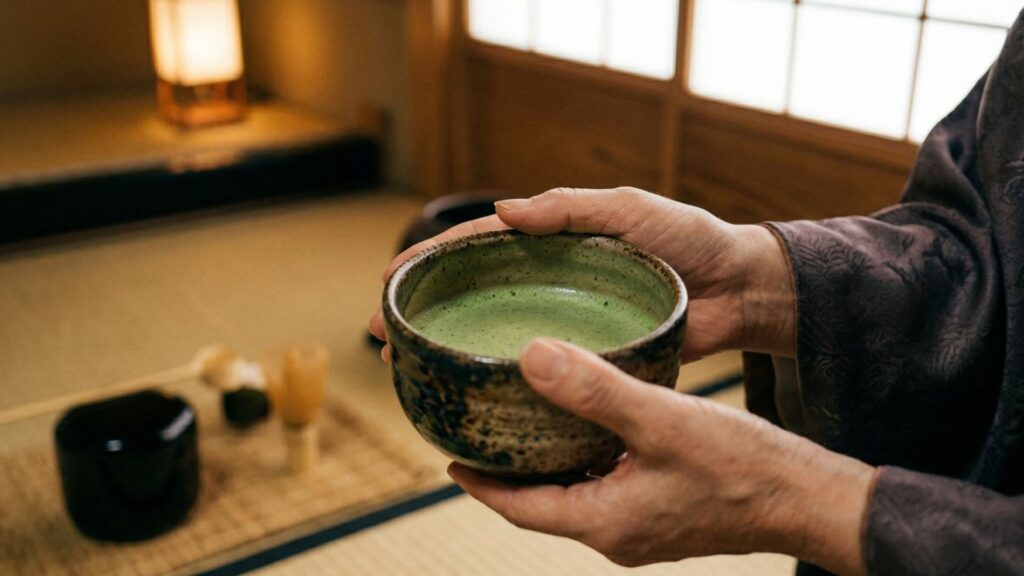
The Conversation That Will Never Happen Again
The conversation you had over dinner last night—the exact combination of words, silences, expressions, and the particular quality of light falling across the table—will never occur again. Even if you sit with the same person at the same table tomorrow, it will be a different conversation. You will be slightly different. They will be slightly different. The moment will have moved on.
Most of us live as though the opposite were true. We treat encounters as repeatable—assuming there will always be a next time, a later, a tomorrow in which to say the thing we meant to say or pay the attention we meant to pay. We scroll through our phones while someone speaks to us, half-present, because we believe this moment is not the important one. The important one is coming later.
The Japanese language has a phrase for the recognition that later may not come—and that this recognition, rather than producing anxiety, can produce the deepest kind of attention.
The phrase is ichigo ichie (一期一会).
What Ichigo Ichie Means
Ichigo ichie is a four-character idiom—a form known in Japanese as yojijukugo (四字熟語)—composed of:
一 (ichi) — one 期 (go) — period, lifetime, occasion 一 (ichi) — one 会 (e) — meeting, encounter
The literal translation is “one lifetime, one meeting” or “one time, one encounter.” But the phrase carries a meaning that no direct translation captures. It does not simply say “every meeting is unique”—a fact so obvious it would not need a special phrase. It says: because this meeting will never happen again, it deserves your complete presence.
Ichigo ichie is not a description. It is a commitment—a decision to treat the present encounter as though it were the only one you will ever have, because in the most important sense, it is.
Comprehensive guide: What Is Zen Buddhism?
Origin: Sen no Rikyū and the Way of Tea
The Tea Master’s Teaching
Ichigo ichie was born in the tea room.
The concept is attributed to Sen no Rikyū (千利休, 1522–1591), the tea master who transformed the Japanese tea ceremony from aristocratic entertainment into a spiritual practice of radical simplicity. Rikyū taught that every tea gathering—every meeting between host and guest—is a singular event that will never be replicated. Even if the same host serves the same guest in the same room with the same tea bowl next week, the gathering will be fundamentally different. The season will have shifted. The light will have changed. The host and the guest will have lived through a week of experiences that alter who they are.
Related guide: Tea Ceremony: History, Philosophy & How to Experience It
Rikyū’s insight was not merely philosophical. It was practical. If the host understands that this gathering will never happen again, every detail of preparation becomes an act of devotion—the selection of the scroll in the alcove, the choice of flowers, the temperature of the water, the quality of attention brought to each gesture. Nothing can be left for “next time,” because there is no next time for this gathering.
From Tea Room to Written Principle
The phrase itself was later formalized by Ii Naosuke (井伊直弼, 1815–1860), a feudal lord and passionate tea practitioner who wrote in his treatise Chanoyu Ichie Shū (茶湯一会集, “Collection of Tea Gathering, One Meeting”):
The host must approach every gathering with the awareness that this meeting can never be reproduced. Both host and guest must pour their complete sincerity into the encounter, as though it were the meeting of a lifetime—because it is.
Ii Naosuke knew something about the fragility of moments. He was assassinated in 1860, cut down by samurai outside Edo Castle’s Sakurada Gate. His treatise on the unrepeatable nature of each encounter was published posthumously—a text about the preciousness of presence, written by a man who could not have known which tea gathering would be his last.
The Zen Philosophy: Impermanence Made Beautiful
Mujō: Everything Passes
Ichigo ichie is rooted in the Buddhist concept of mujō (無常)—impermanence. Everything changes. Nothing lasts. The cherry blossoms fall. The tea grows cold. The person sitting across from you is aging, moment by moment, and so are you.
In many Western traditions, impermanence is a source of grief—something to resist, deny, or overcome. In Zen Buddhism, impermanence is not a problem to be solved. It is the fundamental condition that makes each moment precious. If the cherry blossoms lasted forever, no one would travel to see them. If this conversation would happen again identically tomorrow, there would be no urgency to be present for it today.
Comprehensive guide: Wabi Sabi : The Japanese Philosophy of Finding Beauty in Imperfection
Related guide: Mono no Aware: The Japanese Philosophy of Bittersweet Beauty
Ichigo ichie takes the abstract teaching of impermanence and makes it personal. It does not say “all things are impermanent” in the general, philosophical sense. It says: this conversation, with this person, in this room, right now—this will never happen again. The teaching moves from the head to the chest. It is no longer a concept. It is a feeling.
Not Carpe Diem
Ichigo ichie is often compared to the Latin phrase carpe diem—”seize the day.” But the two concepts are fundamentally different in tone and intention.
Carpe diem is active, assertive, even acquisitive. It says: take this moment. Extract value from it. Don’t let it escape. The energy is outward—seizing, grasping, making the most of.
Ichigo ichie is receptive. It says: this moment is already here. You do not need to seize it. You need to receive it—fully, attentively, with the awareness that it is being offered to you exactly once. The energy is inward—opening, attending, honoring.
The difference matters. Carpe diem can produce frantic activity—the pressure to fill every moment with experience. Ichigo ichie produces stillness—the willingness to be fully present with whatever the moment contains, even if it contains nothing more than a cup of tea and the sound of rain.
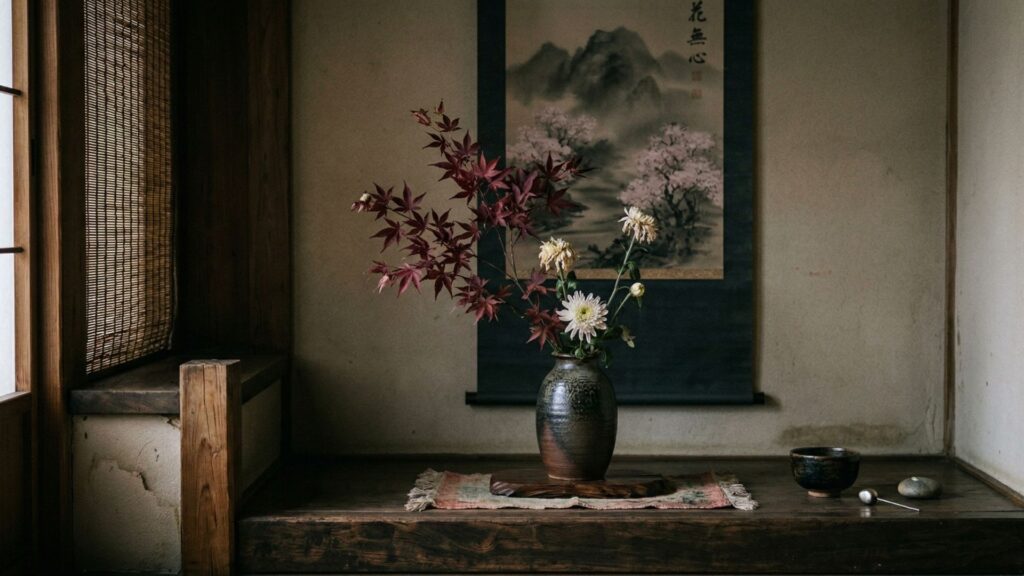
Ichigo Ichie in Daily Life: Five Practices
Ichigo ichie was born in the tea room, but it does not require a tea room to practice. Any moment of genuine attention is ichigo ichie. Here are five ways to bring this awareness into ordinary life.
1. Meals: Eat This Meal
Before eating, pause for a single breath. Look at the food. This specific meal—these particular ingredients, prepared in this particular way, eaten at this particular moment of your life—will never exist again. Even if you eat the same recipe tomorrow, you will be a different person eating it.
This is not a ritual. It is a recognition. The pause shifts your relationship to the meal from consumption to encounter. You are not fueling your body. You are meeting your food.
In Zen monasteries, monks recite the Gokan no Ge (五観の偈, Five Reflections) before meals—a contemplation of the effort that produced the food, the intention to be worthy of receiving it, and the commitment to eat with awareness rather than greed. You do not need to recite anything. A single breath of recognition is enough.
2. Conversations: Listen to This Person
The next time someone speaks to you, put down your phone. Close your laptop. Turn your body toward them. Listen not to formulate a response but to receive what they are saying.
This person—in this mood, with these particular concerns, at this moment in their life—is offering you something unrepeatable. Tomorrow they may tell you the same story, but it will be a different telling. Today’s version, with today’s emphasis and today’s emotion, exists only now.
Related guide: How to Have Difficult Conversations: A Mindful Approach to Speaking with Courage
Ichigo ichie listening is not a technique. It is a form of respect—the recognition that the person in front of you is giving you something they cannot give you again.
3. Travel: See This Place
When you visit a temple, a garden, a city street—resist the impulse to photograph everything. Before you raise your camera, stand still for thirty seconds and look. Let the place enter you through your eyes, not through a screen.
Related guide: 10 Must-Visit Zen Temples in Kyoto: Complete Visitor Guide
The photograph will exist tomorrow. The experience of standing in this light, at this temperature, with this particular feeling in your body, will not. Ichigo ichie travel does not mean never photographing. It means seeing first and photographing second—prioritizing the encounter over the record of it.
4. Work: Begin This Meeting
At the start of your next meeting or work conversation, take one conscious breath. Not to relax—to arrive. To acknowledge that this particular group of people, gathered for this particular purpose, at this particular moment, constitutes a unique event.
This practice takes three seconds. It costs nothing. And it changes the quality of what follows, because a meeting entered with awareness is fundamentally different from a meeting entered on autopilot.
5. Seasons: Notice This Day
Japan’s culture is built on seasonal awareness—kisetsukan (季節感). Cherry blossoms in spring. Fireflies in summer. Maple leaves in autumn. Snow in winter. Each season’s beauty is valued precisely because it is brief.
Ichigo ichie extends this seasonal attention to each day. The quality of light at 7:00 AM today will not be the same tomorrow. The particular combination of clouds, temperature, and the angle of the sun is happening once. You can notice it or miss it. Both are choices.
This is perhaps the simplest ichigo ichie practice: walk outside, look up, and acknowledge that what you see has never existed before and will never exist again.
Ichigo Ichie Beyond Japan
The Book and the Movement
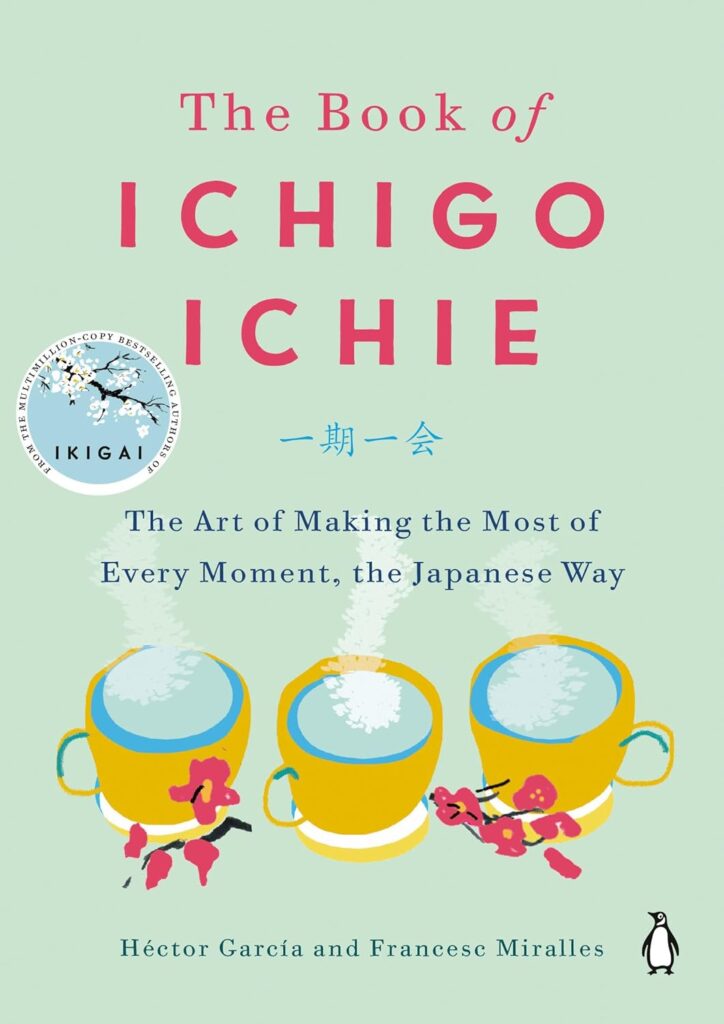
Ichigo ichie entered Western awareness largely through The Book of Ichigo Ichie (2019) by Héctor García and Francesc Miralles—the authors of the bestselling Ikigai. Their book introduced the concept to millions of readers as a complement to mindfulness practice, framing ichigo ichie as the Japanese art of making every moment count.
Mindfulness and Ichigo Ichie
Western mindfulness and ichigo ichie share common ground—both value present-moment awareness and both teach the skill of paying attention to what is here rather than what is elsewhere. But there is an important distinction.
Mindfulness, as typically taught in the West, is a practice—something you do for ten minutes on a cushion or during a walking meditation. It is cultivated through repetition and brought into daily life as a skill.
Ichigo ichie is not a practice. It is a perception—a way of seeing that does not require a cushion, a timer, or a technique. It requires only the recognition that this moment is unrepeatable. That recognition, once genuinely felt, produces its own quality of attention without any method at all.
Comprehensive guide: How to Practice Zazen meditation at Home:Step-by-Step Guide for Beginners
In this sense, ichigo ichie is closer to a Zen insight than a mindfulness technique. It is not something you practice doing. It is something you practice seeing—and once you see it, it changes how you inhabit every moment that follows.
FAQ
Q: What does ichigo ichie mean?
A: Ichigo ichie (一期一会) is a Japanese phrase meaning “one lifetime, one meeting” or “one time, one encounter.” It expresses the awareness that every encounter between people—and more broadly, every moment of experience—is unique and unrepeatable. The phrase originated in the Japanese tea ceremony tradition, where it describes the host’s commitment to treating each gathering as a once-in-a-lifetime event deserving total presence and care.
Q: How do you pronounce ichigo ichie?
A: Ichigo ichie is pronounced ee-CHEE-go ee-CHEE-eh, with four syllables in each word. The “ch” sound is soft, as in “cheese.” The emphasis is light and even—Japanese does not have the strong stress patterns of English. The “go” rhymes with “go” in English, and the final “e” in “ichie” is pronounced as a separate syllable (eh), not silent.
Q: Is ichigo ichie the same as carpe diem?
A: They share a surface similarity—both relate to living in the present—but differ fundamentally in approach. Carpe diem (“seize the day”) is active and assertive: take this moment, extract value from it. Ichigo ichie is receptive: this moment is arriving on its own, and your task is not to seize it but to receive it with full attention. Carpe diem produces urgency; ichigo ichie produces stillness.
Q: Why is ichigo ichie popular as a tattoo?
A: Ichigo ichie has become one of the most popular Japanese phrases for tattoos because it encapsulates a profound philosophy in four elegant kanji characters (一期一会). The visual beauty of the calligraphy combines with a meaning that resonates universally—the desire to live fully in each moment. It serves as a permanent reminder of impermanence, which is itself a fitting paradox.
Q: How can I practice ichigo ichie every day?
A: The simplest daily practice is to pause for one breath before an ordinary activity—eating, entering a meeting, greeting someone—and silently recognize: this will never happen again exactly like this. You do not need to do anything differently. You only need to see differently. That shift in perception—from “this is routine” to “this is unrepeatable”—is ichigo ichie in practice.
This Moment, Reading This
There is a paradox at the heart of ichigo ichie. The more you try to grasp a moment—to hold it, preserve it, make it last—the more it slips away. But the moment you stop grasping and simply receive—open your hands, open your attention, let the moment be what it is without trying to keep it—something shifts. The moment does not last any longer. But it becomes fuller. It becomes, in the Japanese sense, complete—not because nothing is missing, but because nothing is being wasted.
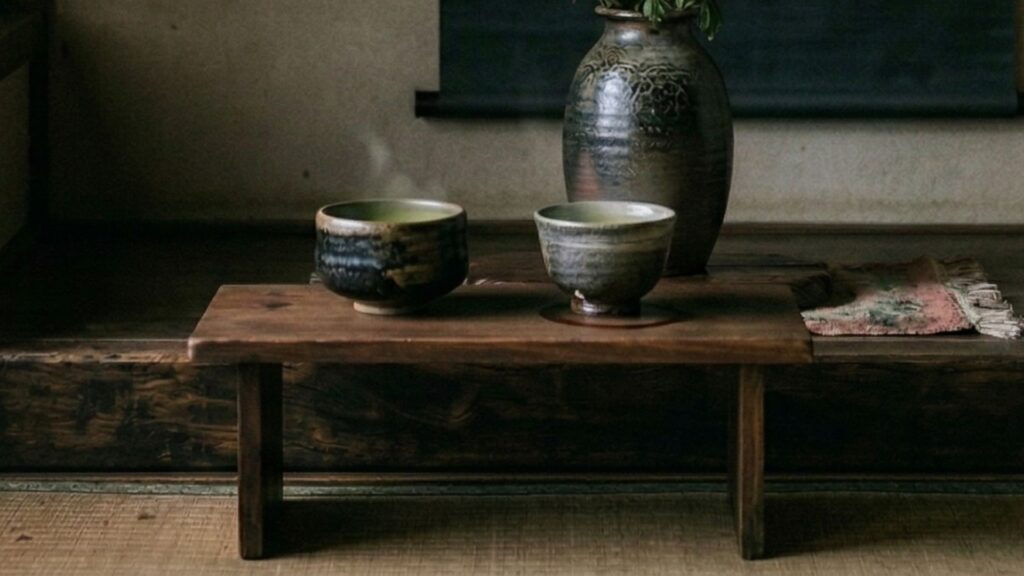
This is what Rikyū understood in his tea room. The gathering lasts ninety minutes. The tea is drunk. The guests leave. The flowers wilt. The scroll is rolled up and put away. Nothing remains. And yet everything was given—every gesture, every silence, every sip of tea offered with the full awareness that this offering would not be repeated.
You are reading this article at a particular moment in your life. You will never read it for the first time again. Whatever you are carrying today—whatever concerns, hopes, weariness, or curiosity brought you to this page—is the unrepeatable context in which these words are meeting your mind.
That is ichigo ichie. Not a philosophy to be studied. A reality to be noticed.
Notice it now. Then close this page and notice the next moment, and the next, and the next.
Each one is the only one.
References
- García, H., & Miralles, F. (2019). The Book of Ichigo Ichie: The Art of Making the Most of Every Moment, the Japanese Way. Penguin Life.
- Ii, N. (1858/2013). Chanoyu Ichie Shū [Collection of Tea Gathering, One Meeting]. (Referenced in secondary sources.)
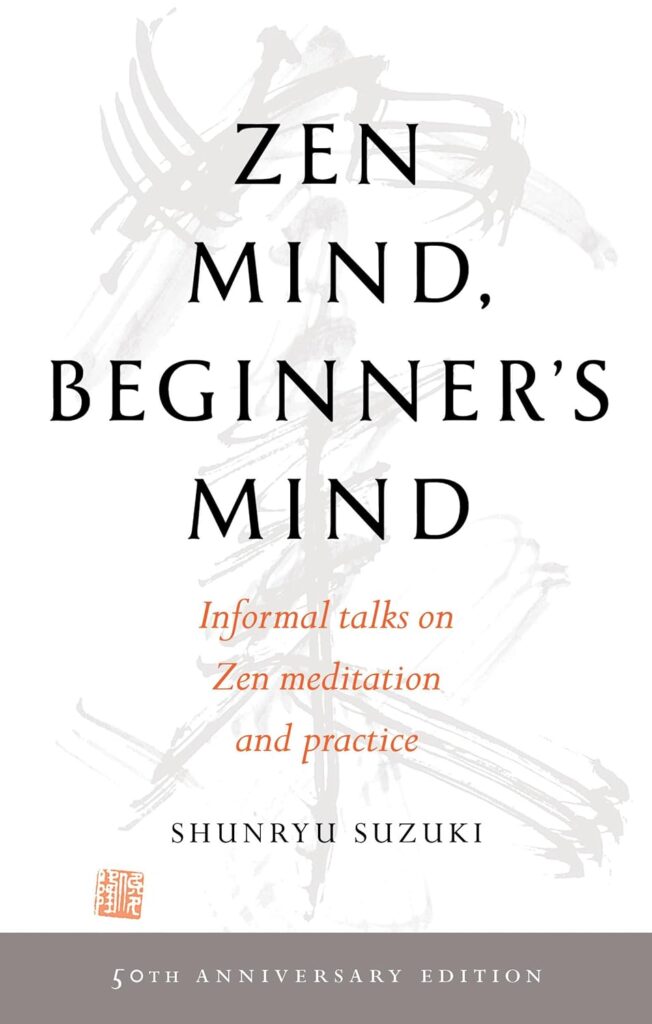
- Suzuki, S. (1970). Zen Mind, Beginner’s Mind. Weatherhill.
- Okakura, K. (1906). The Book of Tea. Putnam’s Sons.
- Suzuki, D. T. (1959). Zen and Japanese Culture. Princeton University Press.
- Tanaka, S. (1998). The Tea Ceremony. Kodansha International.
- Ichi-go ichi-e — Wikipedia (Comprehensive overview of the phrase’s history and cultural context)