Where Zen Met the Sword
Kyoto is where Zen Buddhism flowered into art, poetry, and tea. Kamakura is where it became a way of facing death.
In the late twelfth century, the warrior Minamoto no Yoritomo established Japan’s first military government—the shogunate—not in the imperial capital of Kyoto but in this small coastal town surrounded by steep hills on three sides and the sea on the fourth. For the next century and a half, Kamakura was the political center of Japan, and the samurai who governed from here adopted Zen Buddhism with an intensity that would reshape Japanese culture permanently.
The warriors were drawn to Zen not for its aesthetics but for its directness. Zen offered no comforting afterlife, no elaborate ritual, no theological speculation. It offered presence—the ability to face each moment, including the moment of death, with clarity and composure. This was not philosophy for monks in mountain temples. This was training for men who might die tomorrow.
Comprehensive guide: What Is Zen Buddhism?
Today, Kamakura is an easy day trip from Tokyo—less than an hour by train—but it rewards a slower visit. The temples here carry a different energy from Kyoto’s refined elegance. They are austere, compact, and built into hillsides and valleys as if the landscape itself were part of the practice. This guide covers the essential Zen sites, the philosophical significance behind each, and everything you need to plan a meaningful visit.
The Five Great Zen Temples (Kamakura Gozan)
In 1386, the Ashikaga shogunate formalized the Gozan (五山) system—a ranking of the Five Great Zen Temples of Kamakura, modeled after the Five Mountains system of Song Dynasty China. These five temples were the most powerful Zen institutions in eastern Japan, centers of not only spiritual practice but of literature, art, diplomacy, and governance.
Understanding the Gozan system transforms a Kamakura temple visit from sightseeing into something closer to a pilgrimage through the intellectual history of Japanese Zen.
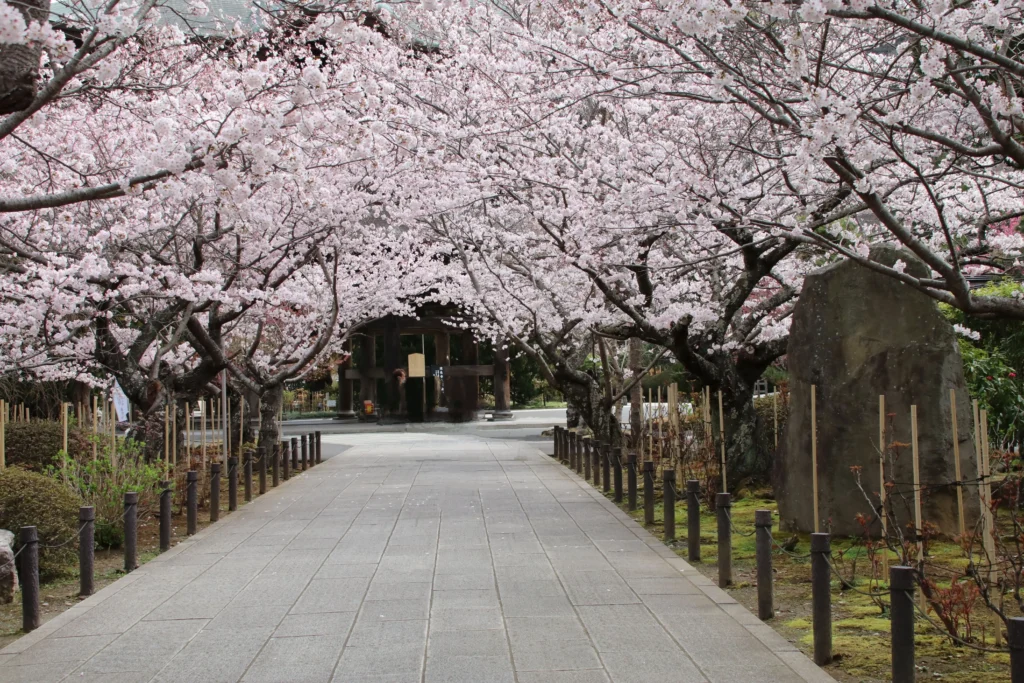
1. Kenchō-ji (建長寺) — First Rank
The Temple: Founded in 1253, Kenchō-ji is the oldest Zen training monastery in Japan and the highest-ranked of the Kamakura Gozan. It was established by the Chinese monk Rankei Dōryū (Lanqi Daolong), invited to Japan specifically to bring the rigorous Zen practice of Song Dynasty China. At its peak, Kenchō-ji housed over a thousand monks.
The Zen: Kenchō-ji was founded as a pure Rinzai Zen monastery at a time when most Japanese Buddhism was syncretic and ceremonial. Rankei brought an uncompromising discipline: formal koan study, strict daily schedules, and the physical rigor of monastic life. The juniper trees lining the main approach are said to have grown from seeds that Rankei carried from China—a living link to the Song Dynasty origins of Japanese Zen.
Visiting:
- Hours: 8:30–16:30
- Admission: ¥500
- Access: 15-minute walk from Kita-Kamakura Station (JR Yokosuka Line)
- Highlights: The sanmon (main gate), the juniper avenue, and the Hanbō garden behind the abbot’s quarters. For the adventurous, a steep hiking trail behind the temple leads over the ridge to the Tsurugaoka Hachimangū shrine—a 30-minute walk through forest that few tourists attempt.
2. Engaku-ji (円覚寺) — Second Rank
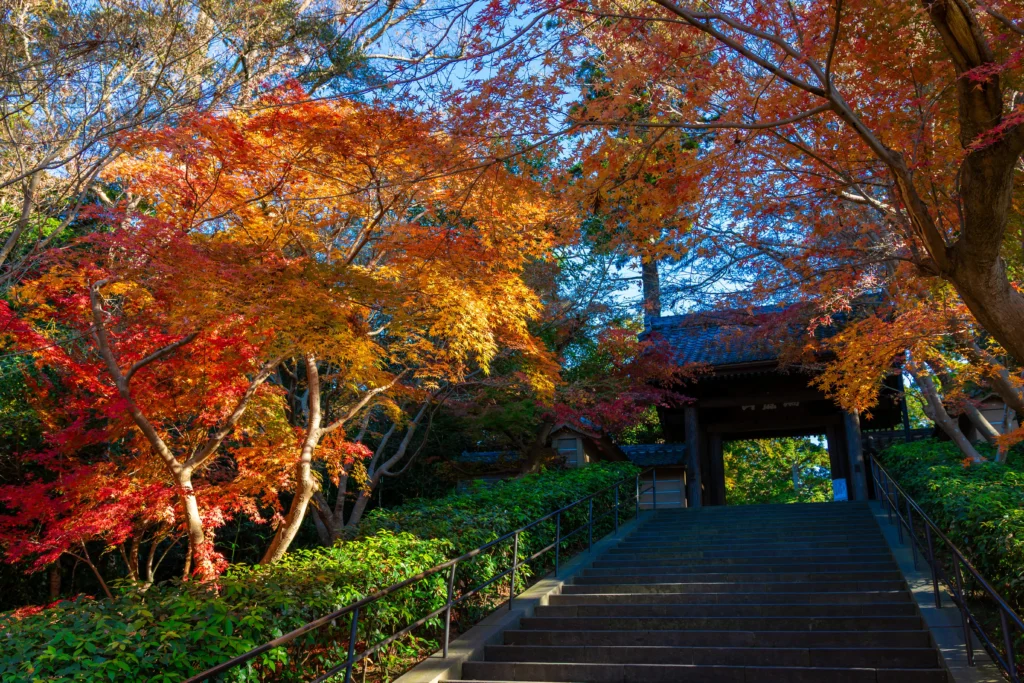
The Temple: Founded in 1282 by the regent Hōjō Tokimune to honor both Japanese and Mongol soldiers who died during the Mongol invasions, Engaku-ji is Kamakura’s most atmospheric temple. Its sprawling, forested grounds climb a hillside directly beside Kita-Kamakura Station—you hear the train arriving as you stand in the meditation hall.
The Zen: Engaku-ji’s founding story is itself a Zen teaching. Tokimune, facing the existential threat of a second Mongol invasion, sought out the Chinese Zen master Mugaku Sogen (Wuxue Zuyuan) and asked for guidance. Mugaku’s response was a single instruction: face your fear directly. Tokimune did, and the invasion failed. Engaku-ji was built in gratitude—a monument to the Zen principle that courage comes not from the absence of fear but from the willingness to meet it.
Related guide: How to Have Difficult Conversations: A Mindful Approach to Speaking with Courage
Visiting:
- Hours: 8:00–16:30 (March–November), 8:00–16:00 (December–February)
- Admission: ¥500
- Highlights: The shariden (relic hall, National Treasure—viewable from outside only), the bell tower (Ōgane, one of Kamakura’s most famous sounds), and the weekend zazen sessions open to visitors (check the temple website for current schedule).
- Tip: Arrive at Kita-Kamakura Station and visit Engaku-ji first, before the crowds. The temple gate is literally a 1-minute walk from the station exit.
3–5: Jufuku-ji, Jōchi-ji, and Jōmyō-ji
The remaining three Gozan temples are smaller and less visited, which is precisely their appeal.
Jufuku-ji (寿福寺) — Third Rank. Founded in 1200, Kamakura’s oldest Zen temple. The atmospheric tree-lined approach is open to visitors, but the inner grounds are usually closed. The hillside behind the temple contains rock-cut tombs of Hōjō Masako (the “nun shogun”) and Minamoto no Sanetomo—a haunting reminder of the political power concentrated in medieval Kamakura.
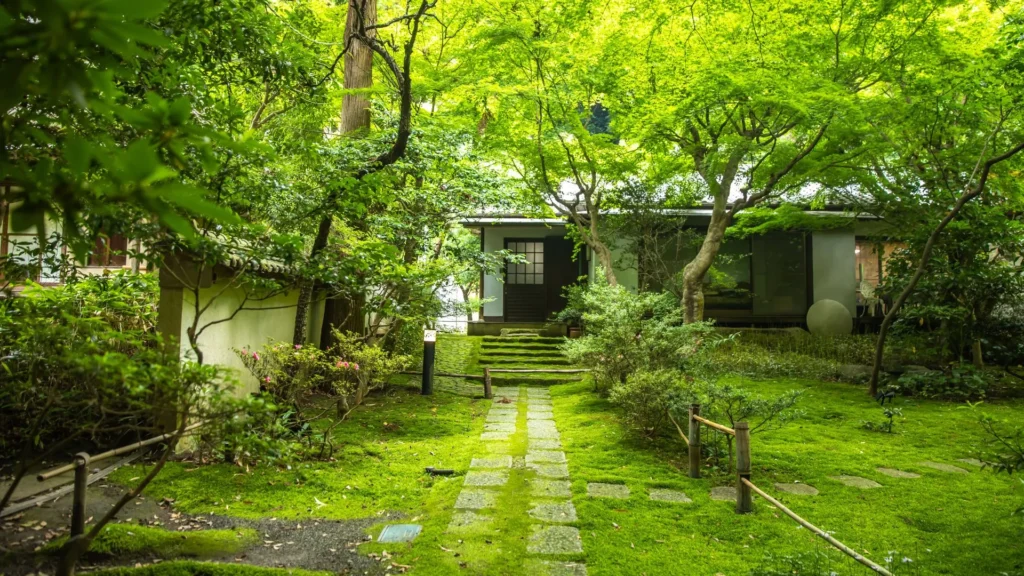
Jōchi-ji (浄智寺) — Fourth Rank. A quiet, mossy temple with a bell tower gate and a hidden trail leading up to a hillside cave containing a smiling Hotei (布袋) figure. Jōchi-ji feels like a secret garden—visitors are few, and the atmosphere of gentle neglect gives it a wabi-sabi quality that the larger temples cannot match.
Jōmyō-ji (浄妙寺) — Fifth Rank. The most remote of the five, set in a residential valley. Jōmyō-ji’s stone garden and tea house offer an experience closer to private contemplation than public tourism. The tea house serves matcha with a view of the garden—one of Kamakura’s most peaceful moments.
Comprehensive guide: Wabi Sabi : The Japanese Philosophy of Finding Beauty in Imperfection
Beyond the Gozan: Essential Kamakura Sites
Kōtoku-in: The Great Buddha (Daibutsu)
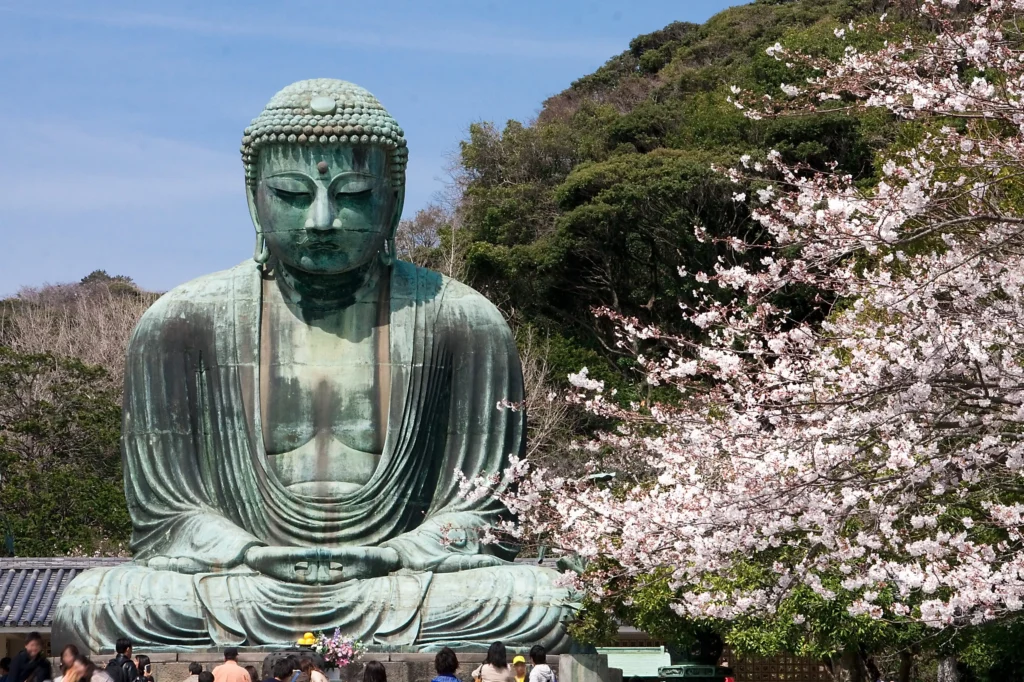
No visit to Kamakura is complete without standing before the Great Buddha—the 13.35-meter bronze Amida Buddha that has become the city’s icon. Cast in 1252, the statue originally sat inside a massive wooden hall. A tsunami in 1498 destroyed the hall, and it was never rebuilt. For over five centuries, the Buddha has sat in the open air, exposed to rain, wind, and sun.
This exposure is not a failure of preservation. It is, unintentionally, one of the most powerful wabi-sabi experiences in Japan. The bronze surface has developed a deep green patina that shifts in color with the weather and light. The Buddha sits not in a controlled museum environment but in the real world—aging, weathering, enduring. He is more beautiful for it.
Visiting:
- Hours: 8:00–17:30 (April–September), 8:00–17:00 (October–March)
- Admission: ¥300 (¥50 extra to enter the hollow interior)
- Access: 10-minute walk from Hase Station (Enoden Line)
- Tip: Visit in late afternoon when tour groups have departed. The low angle of the setting sun transforms the patina into gold.
Hase-dera: Where Zen Meets Devotion
Hase-dera is not a Zen temple—it belongs to the Jōdo (Pure Land) tradition—but its hillside gardens, ocean views, and the stunning 9.18-meter gilt Kannon (goddess of mercy) statue make it one of Kamakura’s most visually powerful sites. The temple’s hydrangea garden in June draws thousands of visitors when hundreds of varieties bloom simultaneously along the hillside paths.
Visiting:
- Hours: 8:00–17:30 (March–September), 8:00–17:00 (October–February)
- Admission: ¥400
- Access: 5-minute walk from Hase Station (Enoden Line)—combine with the Great Buddha
Hōkoku-ji: The Bamboo Temple
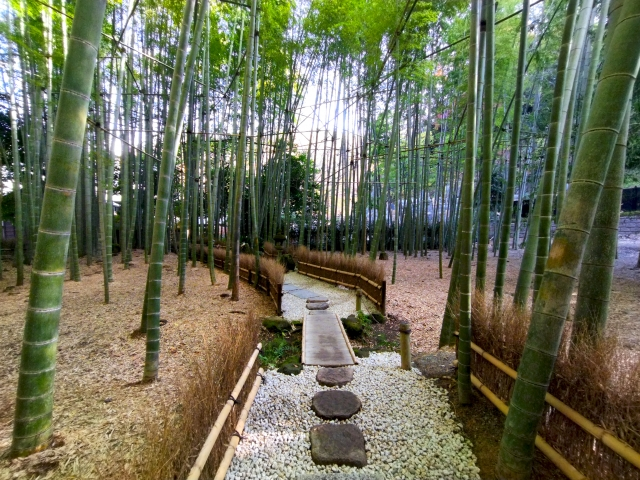
Hōkoku-ji (報国寺) is a small Rinzai Zen temple known for its bamboo grove—approximately two thousand stalks of mōsō-dake (孟宗竹) growing so densely that the light filtering through them takes on a green, underwater quality. A tea house at the grove’s center serves matcha (¥600 with admission), and drinking tea surrounded by bamboo that has been growing on this site for centuries is one of Kamakura’s most meditative experiences.
Related guide: Tea Ceremony: History, Philosophy & How to Experience It
Visiting:
- Hours: 9:00–16:00
- Admission: ¥300 (¥600 including matcha)
- Access: Bus from Kamakura Station (Jōmyō-ji direction), or 30-minute walk
- Tip: Go on a weekday morning. The bamboo grove is small, and weekend crowds diminish the contemplative atmosphere. Rain days are actually ideal—the sound of rain on bamboo leaves is extraordinary.
Planning Your Visit
Getting There
From Tokyo: JR Yokosuka Line from Tokyo Station to Kamakura Station (55 minutes, ¥950) or to Kita-Kamakura Station (50 minutes—get off here for Engaku-ji and Kenchō-ji). Covered by JR Pass.
From Kyoto/Osaka: Shinkansen to Tokyo, then JR Yokosuka Line. Alternatively, Shinkansen to Ofuna, then transfer to Yokosuka Line (avoids Tokyo Station crowds).
Recommended Routes
Half-Day Route: Kita-Kamakura Circuit (3–4 hours) Kita-Kamakura Station → Engaku-ji (45 min) → Walk to Kenchō-ji (10 min) → Kenchō-ji (45 min) → Walk/bus to Great Buddha (30 min) → Kōtoku-in (30 min) → Hase Station → Return.
Full-Day Route: Complete Kamakura (6–7 hours) Kita-Kamakura Station → Engaku-ji → Kenchō-ji → Jōchi-ji → Walk to Kamakura Station area → Lunch → Bus to Hōkoku-ji (bamboo + tea) → Bus/walk to Jōmyō-ji → Bus to Hase → Hase-dera → Great Buddha → Enoden Line to Kamakura Station → Return.
Related guide: 10 Must-Visit Zen Temples in Kyoto
Seasonal Considerations
Spring (Late March–April): Cherry blossoms along the Danbara approach to the Great Buddha and at Kenchō-ji. Beautiful but crowded. Summer (June): Hydrangea season at Hase-dera. The hillside garden becomes one of the most spectacular floral displays in Japan. Arrive early to avoid queues. Autumn (November–December): Engaku-ji’s maple trees turn vivid red—the temple’s hillside location creates dramatic layered color. Less crowded than Kyoto’s autumn. Winter (January–February): The quietest season. Kenchō-ji and Engaku-ji in winter silence, with occasional snow, offer the most contemplative experience.
Food
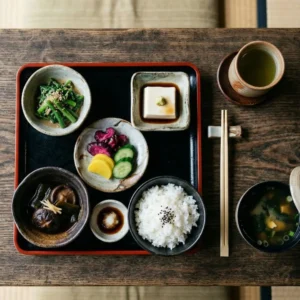
Kamakura is known for shirasu (whitebait)—tiny translucent fish served raw over rice, available at restaurants along Komachi-dōri street and near Hase Station. For a Zen food experience, several temples and restaurants in the area serve shojin ryori (Buddhist vegetarian cuisine).
Related guide: Shojin Ryori: The Zen Philosophy Behind Buddhist Cuisine
FAQ
Q: Is Kamakura worth a day trip from Tokyo?
A: Absolutely. Kamakura is one of the most rewarding day trips from Tokyo—under an hour by train, with enough temples, shrines, and natural beauty for a full day. For Zen enthusiasts specifically, Kamakura offers something Kyoto does not: the direct historical connection between Zen Buddhism and the samurai warrior class that shaped Japanese culture for seven centuries.
Q: How much time do I need in Kamakura?
A: A half-day (3–4 hours) covers the highlights: Engaku-ji, Kenchō-ji, and the Great Buddha. A full day (6–7 hours) allows a more complete circuit including Hōkoku-ji’s bamboo grove, Hase-dera, and the smaller Gozan temples. Spending a night in Kamakura (or nearby Enoshima) adds a dimension that day-trippers miss—the temples in morning light, before the crowds.
Q: What is the entrance fee for the Kamakura Great Buddha?
A: The Kōtoku-in Great Buddha admission is ¥300 per person. An additional ¥50 allows you to enter the hollow interior of the statue. Most other Kamakura temples charge ¥300–¥500 admission.
Q: Can I do Kamakura and Enoshima in one day?
A: Yes, but only with selective visiting. A practical approach: temples in the morning (Kita-Kamakura area), Great Buddha and Hase area midday, then the Enoden train to Enoshima for the late afternoon. Enoshima’s sea views at sunset complement Kamakura’s temple atmosphere beautifully.
Q: Are there zazen meditation sessions in Kamakura?
A: Yes. Engaku-ji and Kenchō-ji both offer periodic zazen sessions open to visitors, typically on weekends. Check each temple’s website or bulletin board at the entrance for current schedules. Sessions are usually conducted in Japanese, but the practice of sitting in silence transcends language.
Comprehensive guide: How to Practice Zazen at Home
The City That Forged Zen into Steel
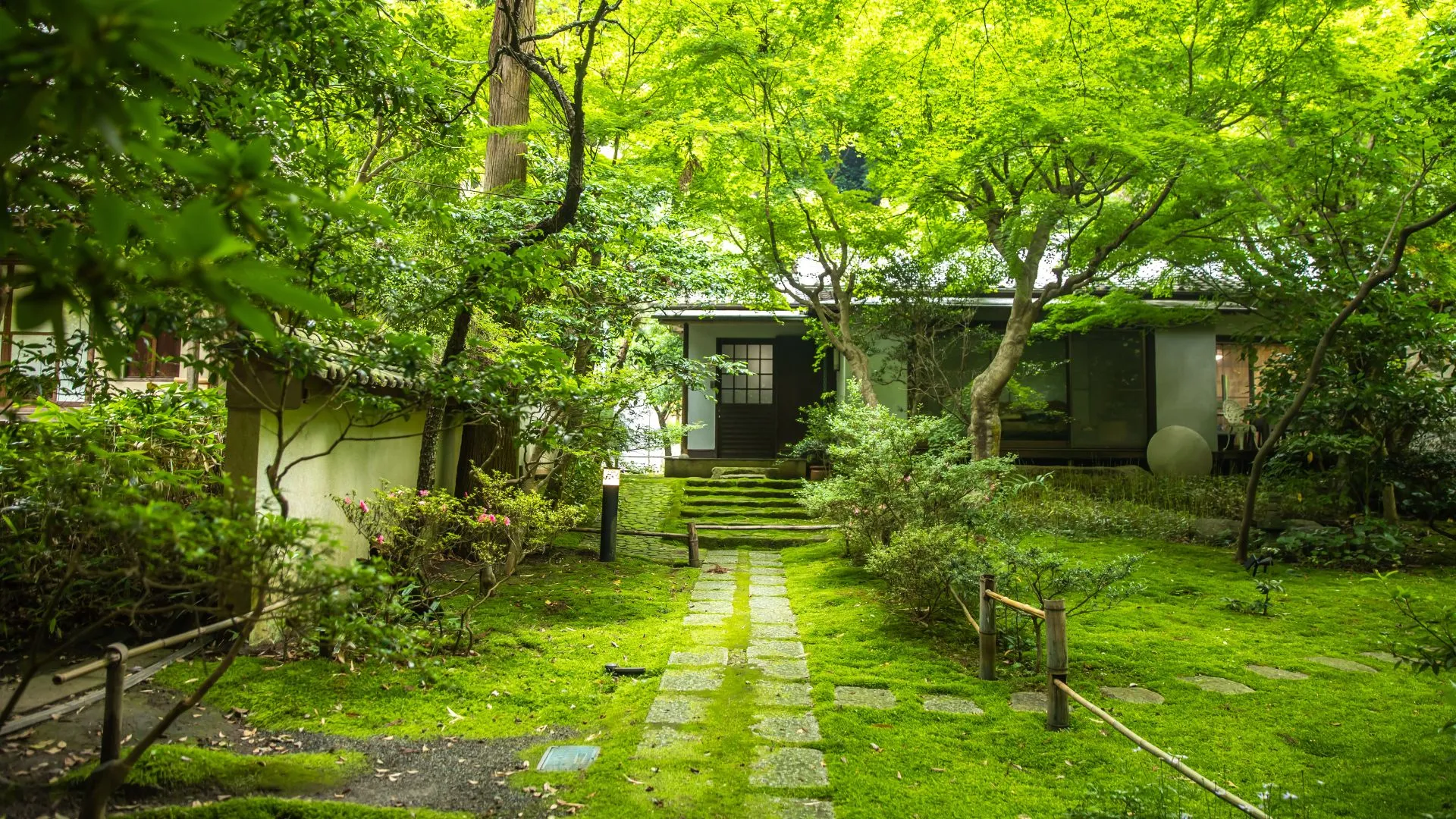
Kamakura’s Zen temples do not have the delicate beauty of Kyoto’s gardens or the ethereal quality of mountain monasteries. They are built into steep hillsides, surrounded by warrior graves, and marked by eight centuries of earthquakes, typhoons, and tsunamis. What remains standing has survived because it was built to endure.
This is Kamakura’s gift to the visitor. It offers not the refined aesthetics of Kyoto but something rougher, older, and more direct—the Zen that samurai carried into battle, the Zen that says: this moment is the only moment, and you must meet it completely, whether it brings beauty or destruction.
Stand before the Great Buddha, weathering his sixth century in the open air. Walk through Hōkoku-ji’s bamboo in the rain. Sit on the veranda at Kenchō-ji where monks have practiced since 1253. In these places, Zen is not a philosophy you read about. It is the ground under your feet.
References
- Plutschow, H. E. (1983). Historical Kamakura: A Guide to Temples, Shrines, and Trails. Japan Times.
- Collcutt, M. (1981). Five Mountains: The Rinzai Zen Monastic Institution in Medieval Japan. Harvard University Press.
- Suzuki, D. T. (1959). Zen and Japanese Culture. Princeton University Press.
- Dumoulin, H. (2005). Zen Buddhism: A History, Vol. 2: Japan. World Wisdom.
- Mass, J. P. (1974). Warrior Government in Early Medieval Japan. Yale University Press.