Introduction
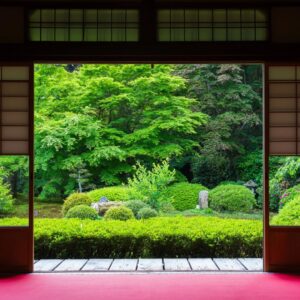
Kyoto holds the soul of Zen Buddhism in Japan. While you could spend weeks exploring its 1,600+ temples, this carefully crafted 3-day itinerary guides you through the essential Zen experiences—from the world’s most famous rock garden to hidden monasteries where monks still practice in centuries-old meditation halls.
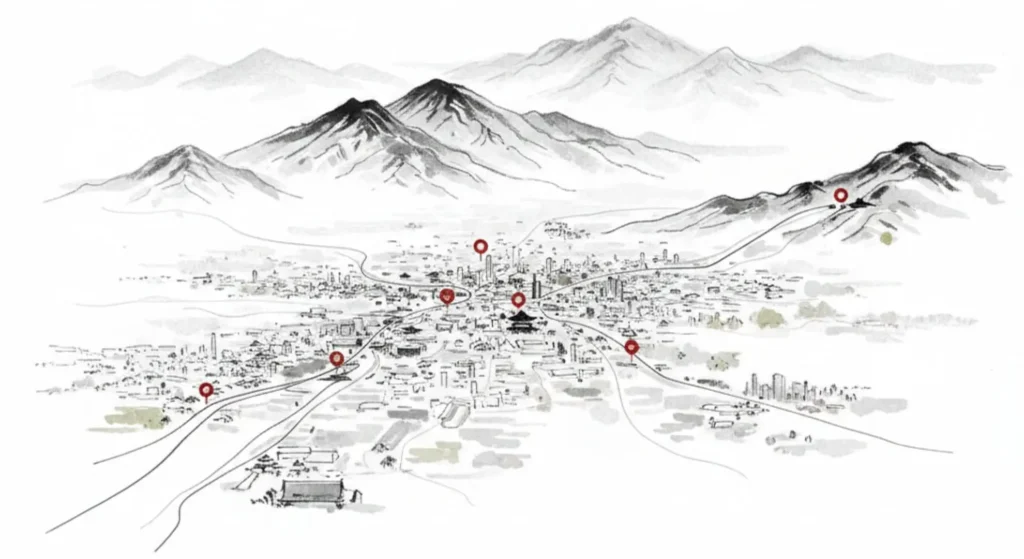
This isn’t a rushed tourist checklist. Each day follows a thoughtful rhythm: early morning visits when temples open and crowds thin, midday breaks for contemplation and meals, afternoon explorations that deepen understanding. The trail connects ten essential temples while building knowledge progressively—starting with iconic sites that introduce Zen aesthetics, moving to experiences that reveal how architecture and gardens work together, and culminating in encounters with living Zen practice.
Related guide: The ten essential Zen temples this itinerary explores
By the third day, you won’t just have seen beautiful temples—you’ll understand what makes them profound. You’ll recognize how wabi-sabi aesthetics shape every detail, how architecture creates sacred space, how gardens express philosophical principles through stone and gravel.
Comprehensive guide: The wabi-sabi aesthetic philosophy that shapes these sacred spaces
Related guide: How Zen architectural principles create sacred space
This guide provides everything needed: detailed daily schedules, transportation instructions, restaurant recommendations, cultural etiquette, seasonal considerations, and backup plans for weather. Whether this is your first visit to Kyoto or your tenth, this trail offers a structured way to encounter Zen Buddhism’s living heritage.
Before You Go: Essential Preparation
When to Visit
Best Seasons:
Spring (Late March – May):
- Pros: Cherry blossoms (early April), comfortable temperatures (15-20°C), gardens lush
- Cons: Peak tourist season, higher accommodation prices, crowds at famous temples
- Strategy: Book accommodation 2-3 months ahead; visit temples at opening time (8:00-8:30 AM)
Autumn (Late October – November):
- Pros: Spectacular autumn foliage (mid-late November), comfortable temperatures, clear skies
- Cons: Most crowded season, accommodation expensive and scarce
- Strategy: Book 3-4 months ahead; consider early December (still colorful, fewer crowds)
Winter (December – February):
- Pros: Minimal crowds, cheapest accommodation, occasional snow creates magical scenery
- Cons: Cold (2-10°C), shorter daylight hours (sunset by 5 PM)
- Best choice: Late November-early December or February (avoiding New Year)
Summer (June – August):
- Pros: Lush greenery, fewer tourists (except August), some temples offer evening hours
- Cons: Hot and humid (25-35°C), rainy season (June-early July)
- Strategy: Visit only morning hours; hydrate constantly
Recommended: Late November-early December combines autumn beauty with reduced crowds.
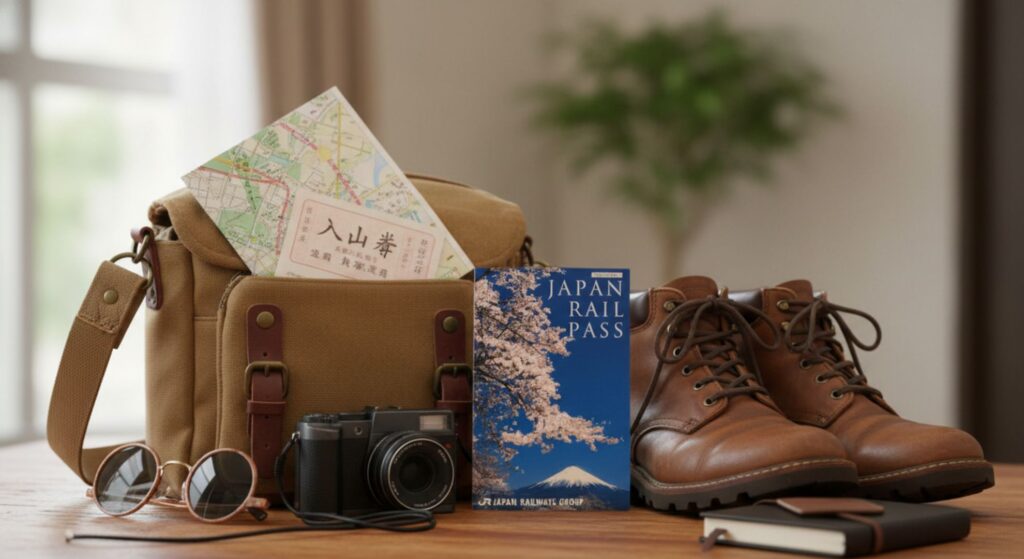
What to Bring
Essential Items:
- Comfortable walking shoes: You’ll walk 8-12km daily; slip-on style best (frequent shoe removal at temples)
- Cash (¥20,000-30,000): Many temples don’t accept cards; ATMs limited on weekends
- Small daypack: Carry water, snacks, purchases; leave at temple entrances when required
- Weather protection: Light rain jacket (spring/summer), warm layers (winter)
- Portable charger: Phone navigation drains battery
- Clean socks: Visible when shoes removed; holes embarrassing
Helpful Additions:
- Notebook and pen: Journal insights, sketch gardens
- Reusable water bottle: Refill stations common
- Temple stamp book (goshuin-chō): Collect calligraphic stamps (¥300-500 each temple)
- Small towel: Wipe sweat (summer), dry hands, sit on damp surfaces
Transportation Options
Kyoto City Bus One-Day Pass (¥700):
- Unlimited bus rides
- Covers all temples in this itinerary
- Purchase at major stations, tourist information centers, or on buses
- Best for: This 3-day itinerary (buy fresh pass each day)
Kyoto Subway + Bus Pass (¥1,100/day):
- Adds subway access
- Useful if staying near subway stations
- Slightly better value if combining bus and subway
Bicycle Rental (¥1,000-2,000/day):
- Flexible routing, pleasant experience
- Kyoto relatively flat, bike-friendly
- Pros: Freedom, fresh air, can stop anywhere
- Cons: Some temple distances significant (10km+), hills in northern areas
Taxi:
- For 3-4 people, cost-competitive with bus passes
- Saves time between distant temples
- Most drivers know major temples; show temple name in Japanese
Recommended for this itinerary: City Bus Pass (flexibility + cost efficiency)
Accommodation Strategy
Best Locations:
Higashiyama District:
- Pros: Walking distance to Day 3 temples, atmospheric traditional streets
- Cons: Uphill walks, pricier during peak seasons
- Best for: Immersive cultural experience
Central Kyoto (Kawaramachi/Shijo):
- Pros: Easy bus/subway access all directions, restaurants/shops abundant
- Cons: Less atmospheric, more urban
- Best for: Convenience, first-time visitors
Kyoto Station Area:
- Pros: Transportation hub, late-night restaurants, luggage storage easy
- Cons: Less charming, farther from temples
- Best for: Brief stays, those continuing to other cities
Budget Allocation:
- Budget: ¥3,000-5,000/night (hostels, simple guesthouses)
- Mid-range: ¥8,000-15,000/night (business hotels, nice guesthouses)
- Upscale: ¥20,000+/night (traditional ryokan, boutique hotels)
Pro tip: Book accommodation near Day 2 or Day 3 temples to enable leisurely morning starts.
Day 1: Stone Gardens and Simplicity
Theme: Introduction to Zen aesthetics through iconic rock gardens
Distance: ~15km total
Walking: ~6km
Temples: 3 (Ryōan-ji, Daitoku-ji, Kinkaku-ji optional)
Morning: Ryōan-ji Temple (龍安寺)
8:00 AM – Arrive at opening
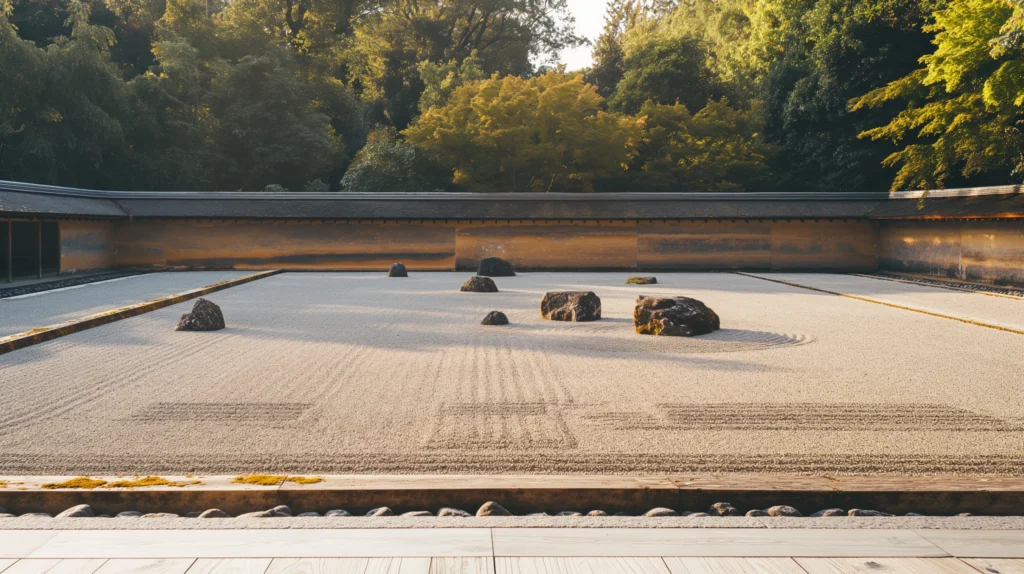
Begin your Zen journey where countless seekers have begun theirs: before Ryōan-ji’s enigmatic rock garden. Arriving exactly at opening (8:00 AM) provides something increasingly rare—solitude with one of the world’s most visited gardens.
The Experience:
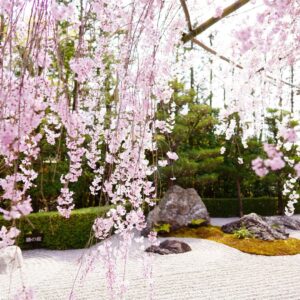
Purchase your ticket (¥500) and proceed directly to the rock garden. Sit on the wooden veranda. Fifteen stones arranged in five groups across white gravel. That’s all. Yet people have contemplated this composition for 500 years.
Don’t rush to “figure it out.” The garden’s power emerges from patient observation. Notice how raked patterns create visual flow. How stones seem to float on gravel. How shadows shift as sun angles change. Sit for 20-30 minutes. Let the garden work on you rather than analyzing it intellectually.
Related guide: the sophisticated design principles behind Ryōan-ji’s famous rock garden
After the Rock Garden:
Most visitors leave after viewing the rock garden, missing the beautiful pond garden (kyōyōchi). Walk the path circling this traditional landscape garden—completely different from the abstract rock garden but equally meditative. Early morning light on the pond creates mirror reflections.
Time: 1 hour total
Exit: 9:00 AM
Mid-Morning: Transit & Breakfast
9:15 AM – Bus to Daitoku-ji
Bus #59 from Ryōan-ji to Daitoku-ji-mae (20 minutes)
9:45 AM – Breakfast
Several small restaurants near Daitoku-ji serve traditional Japanese breakfast or coffee/pastries. Alternatively, grab onigiri (rice balls) and tea from a convenience store and eat in Daitoku-ji’s open grounds before purchasing temple tickets.
Recommended: Take time to sit quietly, review impressions from Ryōan-ji, prepare mentally for Daitoku-ji’s different character.
Late Morning: Daitoku-ji Temple Complex (大徳寺)
10:30 AM – Enter the complex
Unlike Ryōan-ji’s single famous garden, Daitoku-ji offers a vast complex with over twenty sub-temples (tatchū), seven regularly open to visitors. Each maintains distinct character while sharing Zen philosophical foundations.
Suggested Sub-Temple Route (choose 2-3):
Daisen-in (大仙院) – Essential (¥400, 30-45 min):
The complex’s jewel features an extraordinary karesansui garden telling a visual story. Vertical stones suggest mountain waterfalls. Raked gravel flows like a river. A boat-shaped stone navigates “rapids.” The composition condenses an entire landscape journey into 100 square meters.
Unlike Ryōan-ji’s abstraction, this garden offers narrative—spiritual path from mountain source (confusion) through life’s rapids to vast ocean (enlightenment). Sit on the veranda viewing from different angles. The garden reveals new compositions from each position.
Kōtō-in (高桐院) – For Atmosphere (¥400, 30 min):
If visiting in autumn, don’t miss this sub-temple. The approach path—a natural tunnel of maple trees—creates magical atmosphere. The garden emphasizes seasonal change and wabi-sabi aesthetics: beauty in impermanence, acceptance of natural aging.
Zuihō-in (瑞峯院) – For Innovation (¥400, 30 min):
Features both traditional rock garden and a modern Christian-inspired design (the founder was a Christian daimyō). This unusual combination demonstrates Zen’s adaptability and openness.
Strategy:
- Quality over quantity: See 2-3 sub-temples well rather than rushing through many
- Budget 30-45 minutes per temple
- Each requires separate admission
- Total time: 2-2.5 hours
Exit: 1:00 PM
Afternoon: Lunch & Optional Kinkaku-ji
1:15 PM – Lunch Break
Several restaurants near Daitoku-ji serve traditional Kyoto cuisine. Alternatively, head toward Kinkaku-ji area (10 minutes by bus) for more options.
Recommended: Izusen (いづ泉) near Daitoku-ji serves excellent shojin ryōri (Zen vegetarian cuisine) in traditional setting. Reservation recommended; walk-ins possible during off-peak hours.
2:30 PM – Kinkaku-ji (Golden Pavilion) – Optional
Note: Kinkaku-ji isn’t a Zen temple in the contemplative sense of Ryōan-ji or Daitoku-ji. It’s spectacular—a golden pavilion reflected in a pond—but represents opulence rather than Zen restraint.
Recommendation:
- Skip if: Fatigued, preferring quality over quantity, interested primarily in Zen aesthetics
- Visit if: Want iconic photo opportunity, have energy, interested in broader Kyoto temple architecture
If visiting: Bus from Daitoku-ji to Kinkaku-ji (15 min), admission ¥500, allow 45 minutes
Late Afternoon: Return & Reflection
4:00 PM – Return to accommodation
Evening activities:
- Review day’s photos and journal
- Explore accommodation neighborhood
- Early dinner (Japanese restaurants often serve from 5-6 PM)
- Early sleep (tomorrow starts at 8:30 AM)
Day 1 Reflections:
Today introduced core Zen aesthetics: radical simplicity (Ryōan-ji), narrative gardens (Daisen-in), seasonal beauty (Kōtō-in). Tomorrow builds on this foundation, exploring how architecture and gardens work together.
Day 2: Architecture and Nature
Theme: Integration of built space and natural landscape
Distance: ~8km total
Walking: ~5km
Temples: 3-4 (Nanzen-ji, Philosopher’s Path, Ginkaku-ji, optional: Eikan-dō)
Morning: Nanzen-ji Temple (南禅寺)
8:40 AM – Arrive just before opening (grounds open 8:40)
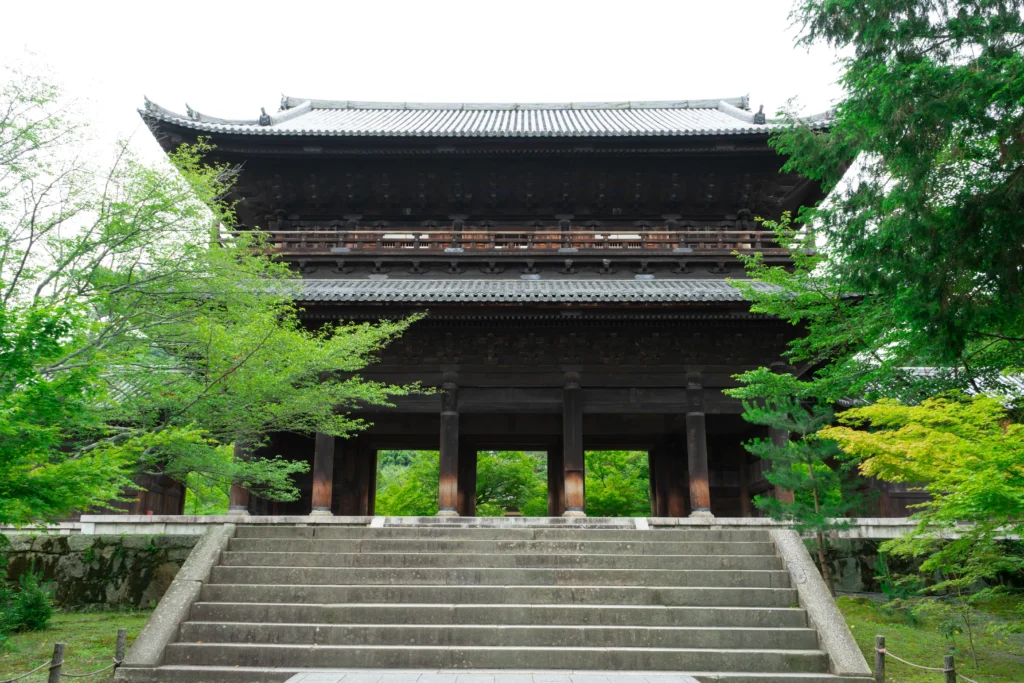
Nanzen-ji represents Zen’s institutional power and ambition. Unlike yesterday’s intimate gardens, Nanzen-ji impresses through monumental architecture and expansive grounds.
The Sanmon Gate (三門):
The massive two-story gate stands 22 meters tall. Climbing the steep stairs (¥600) rewards with:
- Expansive views over Kyoto
- Ornate interior ceiling paintings (unusual decoration for Zen)
- Sense of ascending from mundane to sacred realm
Time: 20 minutes
Hōjō Garden (方丈庭園):
The abbot’s quarters face a landscape garden incorporating shakkei (borrowed scenery)—framing Higashiyama mountains in the distance as part of the composition. This sophisticated technique demonstrates how Zen architecture and garden design work as unified wholes.
Comprehensive guide: the shakkei technique of incorporating distant landscapes
Notice how the building frames specific views. Architecture becomes the instrument through which nature is experienced.
Admission: ¥600
Time: 30 minutes
Suirokaku Aqueduct:
Don’t miss the surprising Roman-style brick aqueduct (1890) cutting through temple grounds. The juxtaposition of Meiji-era engineering and Zen aesthetics creates fascinating contrast. This Instagram-famous spot fills mid-morning; visit early for photos without crowds.
Total Time at Nanzen-ji: 1.5 hours
Exit: 10:10 AM
Mid-Morning: The Philosopher’s Path (哲学の道)
10:15 AM – Begin the walk
The Philosopher’s Path—a 2km canal-side walk connecting Nanzen-ji area to Ginkaku-ji—provides essential transition between temples. Named for philosopher Nishida Kitarō who walked daily in contemplation, the path invites slow, mindful movement.
The Experience:
Don’t rush. This isn’t merely transportation between temples—it’s contemplative practice. Cherry trees line the canal (spectacular early April). Small temples, cafes, and craft shops dot the route. The path demonstrates Zen’s teaching: journey matters as much as destination.
Recommended Stops:
Hōnen-in (法然院) – 15 min detour: A small, peaceful temple just off the main path. Thatched gate, moss garden, intimate scale. Almost no tourists. Free admission. Worth the short climb.
Coffee/Tea Break: Several excellent cafes along the path. Consider pausing at Gospel (ゴスペル) or Café de 505 for coffee and reflection midway.
Time: 40-60 minutes walking + stops
Arrival at Ginkaku-ji area: 11:30 AM
Late Morning: Ginkaku-ji (Silver Pavilion) (銀閣寺)
11:45 AM – Enter before lunch crowds
Despite its name “Silver Pavilion,” the building was never covered in silver. Yet its understated elegance arguably surpasses the Golden Pavilion’s ostentation. This temple perfects wabi-sabi aesthetics.
The Sand Sculptures:
Immediately upon entering, you encounter two precisely sculpted sand formations:
- Ginshadan (銀沙灘): “Sea of silver sand” with parallel raked patterns
- Kōgetsudai (向月台): Truncated cone sculpted to exact angles
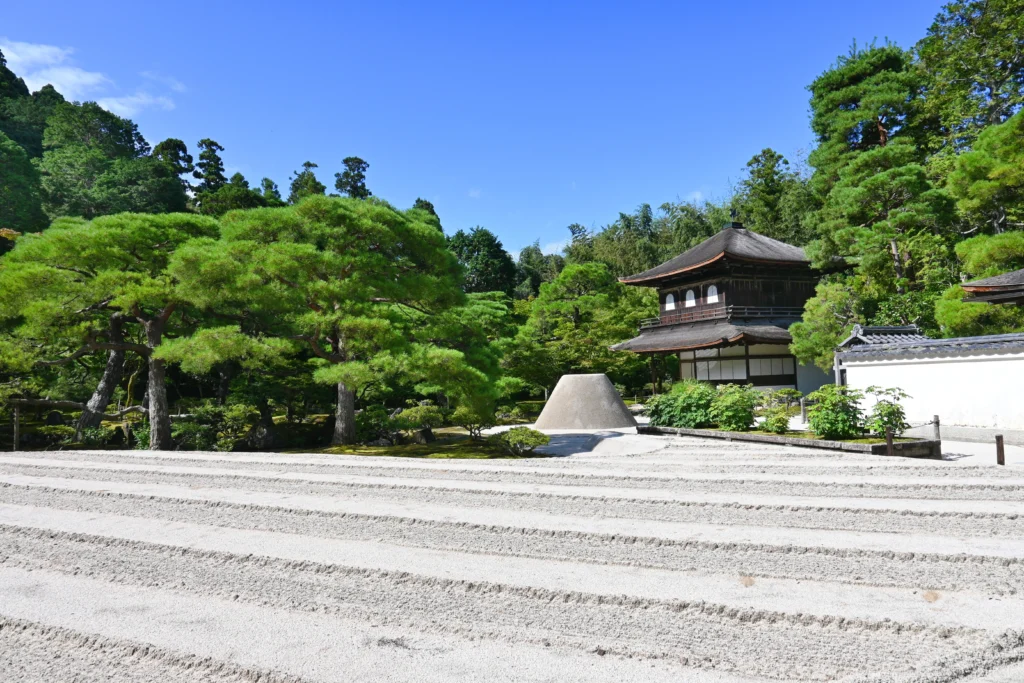
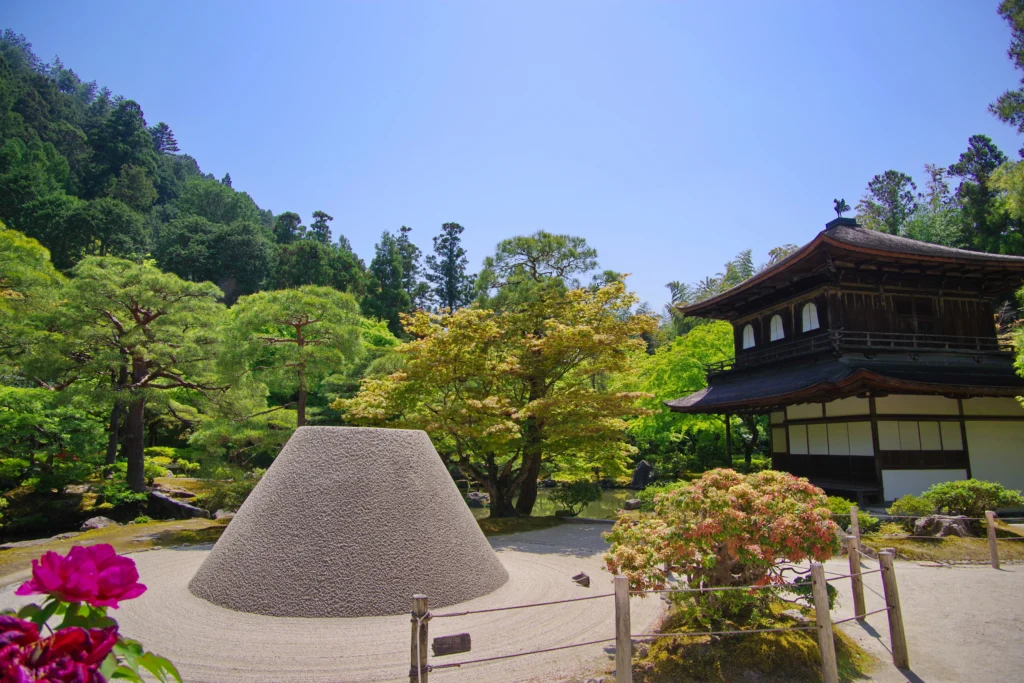
These formations are maintained daily by monks—raking as meditation practice. They embody impermanence (changing with each raking) and presence (attention to detail in simple task).
The Silver Pavilion:
The two-story building’s beauty lies not in decoration but in:
- Proportions refined over centuries
- Natural wood showing age and grain
- Harmonious relationship with surroundings
- Material honesty—wabi-sabi architecture perfected
Moss Garden:
The prescribed path leads uphill through moss garden to viewing platform. From this elevation, overlook the entire complex—pavilion, sand sculptures, pond—composed as landscape painting. This designed viewing moment creates pause for spatial and temporal reflection.
Admission: ¥500
Time: 45-60 minutes
Exit: 12:45 PM
Afternoon: Lunch & Optional Temple
1:00 PM – Lunch in Ginkaku-ji Area
Numerous restaurants near Ginkaku-ji serve everything from traditional kaiseki to casual noodles.
Recommended:
- Omen (おめん): Famous udon in beautiful setting (¥1,200-1,500) – [Details]
2:30 PM – Optional: Eikan-dō Temple (永観堂)
If energy remains and visiting in autumn, consider Eikan-dō (15 min walk from Ginkaku-ji). Not strictly Zen but features spectacular autumn foliage and beautiful architecture. Famous for its pagoda views.
Alternative: Return to accommodation, rest, explore neighborhood.
Evening: Reflection & Preparation
5:00 PM – Return to accommodation
Today combined monumental architecture (Nanzen-ji) with intimate aesthetics (Ginkaku-ji), connected by contemplative walking. Tomorrow focuses on experiencing living Zen practice.
Preparation for Day 3:
Review temple etiquette if joining zazen session. Set multiple alarms (early start tomorrow).
Day 3: Living Practice and Hidden Treasures
Theme: Experiencing functioning Zen temples and less-touristy sites
Distance: ~12km total
Walking: ~7km
Temples: 4 (Kennin-ji, Kōdai-ji, optional: Shōkoku-ji morning zazen, Tōfuku-ji)
Optional Early Morning: Shōkoku-ji Zazen (相国寺)
6:30 AM – Public Meditation Session (Sundays only)
If your visit falls on Sunday and you’re interested in authentic Zen meditation, Shōkoku-ji offers free public zazen sessions (7:00-8:00 AM).
Comprehensive guide: Prepare for zazen meditation with our complete beginner’s guide
What to Expect:
- Arrive 6:45 AM
- Brief instruction (Japanese, but meditation transcends language)
- 40-minute sitting
- Optional short teaching
Location: Subway Karasuma Line to Imadegawa Station (8 min walk)
If not attending zazen: Sleep in, leisurely breakfast, start Day 3 itinerary at 9:30 AM.
Morning: Kennin-ji Temple (建仁寺)
9:30 AM – Enter Kyoto’s oldest Zen temple
Founded in 1202, Kennin-ji holds distinction as Kyoto’s oldest Zen temple. Its central Gion location makes it accessible, yet it maintains surprising tranquility.
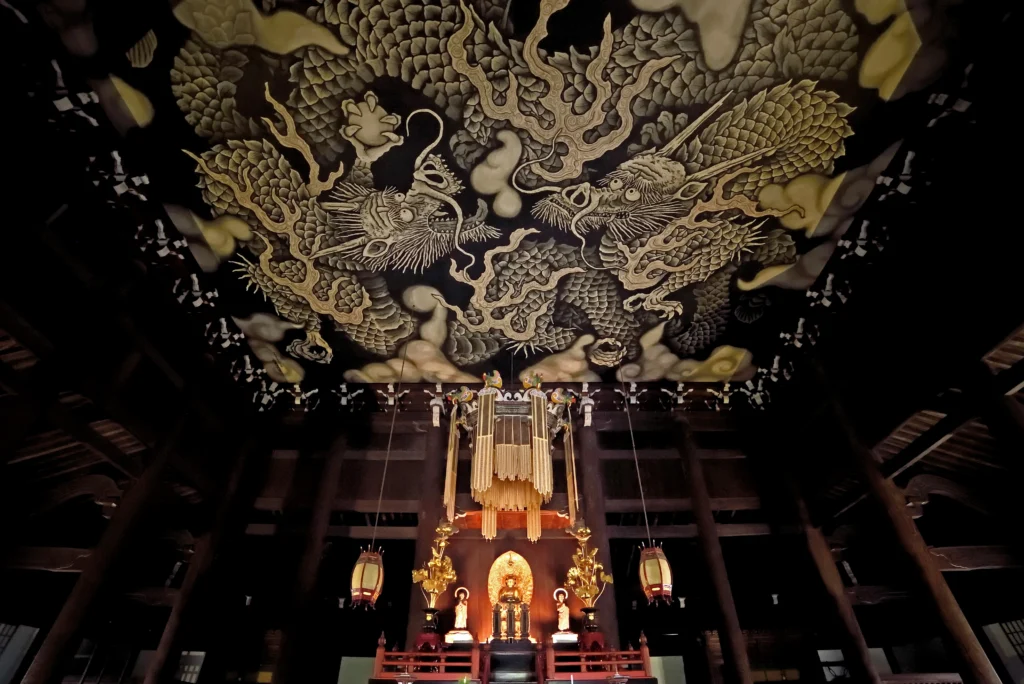
Twin Dragons Ceiling:
The Dharma Hall features an enormous ceiling painting (11.4 x 15.7m) of twin dragons by contemporary artist Koizumi Junsaku (completed 2002). While modern, this masterwork demonstrates Zen’s continuing vitality in contemporary art. The dynamic painting contrasts dramatically with garden stillness outside—yin and yang, movement and rest.
○△□ Garden:
The Chōon-tei garden features minimalist composition using three fundamental geometric shapes representing circle (emptiness), triangle (dynamic action), and square (stability). This modern garden renders abstract Zen concepts in concrete form.
Wind and Thunder God Screens:
Reproductions of Tawaraya Sōtatsu’s famous folding screens show Zen temples’ role in preserving broader Japanese cultural heritage beyond strictly Buddhist art.
Admission: ¥600
Time: 45-60 minutes
Exit: 10:45 AM
Mid-Morning: Transit to Higashiyama
11:00 AM – Walk to Higashiyama District (15-20 min)
Walk through Gion’s atmospheric streets toward Higashiyama. This area preserves traditional machiya townhouses and offers glimpses of geiko (geisha) culture.
Optional: Brief stop at Yasaka Shrine (free admission, 10 minutes) en route to Kōdai-ji.
Late Morning: Kōdai-ji Temple (高台寺)
11:30 AM – Experience Day/Night Temple
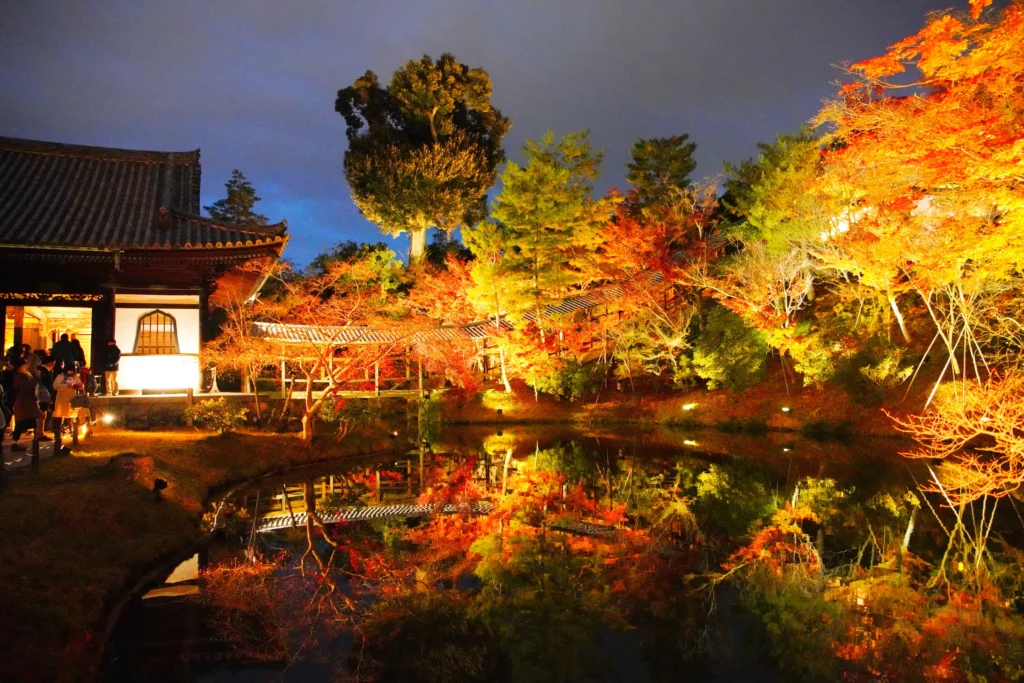
Kōdai-ji offers unique nighttime illuminations (seasonal), but the daytime experience reveals garden design that evening lighting sometimes obscures.
Karesansui Garden:
Classical dry landscape with raked gravel and strategic stones, designed for viewing from covered walkway connecting buildings.
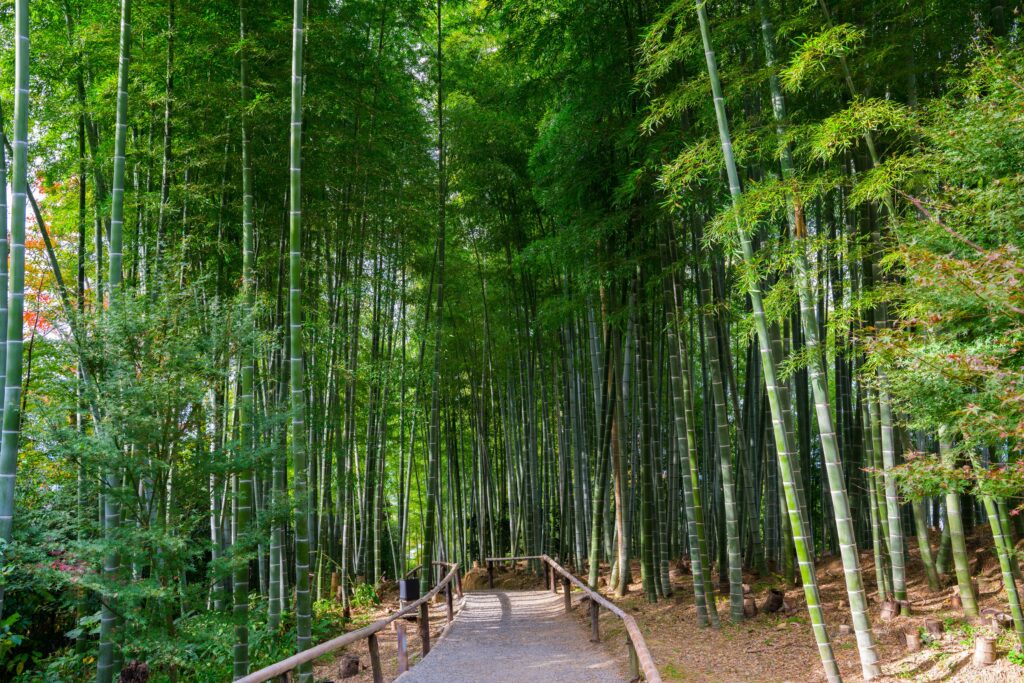
Ryokushō Pond and Bamboo Grove:
The pond garden and bamboo create atmospheric contrast to dry rock garden. Layered spaces—from austere to lush—demonstrate range within Zen garden vocabulary.
Garyu-rō and Kangetsudai Tea Houses:
Two tea houses designed by Sen no Rikyū demonstrating rustic wabi aesthetic. While interiors not regularly open, exterior architecture shows principles of simplicity Rikyū perfected.
Admission: ¥600
Time: 45-60 minutes
Exit: 12:45 PM
Afternoon: Lunch & Historic Streets
1:00 PM – Lunch in Higashiyama
The Ninenzaka and Sannenzaka historic lanes near Kōdai-ji offer numerous restaurants in traditional buildings.
Recommended:
- Traditional kaiseki or bento boxes in machiya restaurants (¥2,000-4,000)
- Casual udon/soba shops (¥1,000-1,500)
- Matcha and wagashi (sweets) at traditional tea houses
2:00 PM – Explore Ninenzaka/Sannenzaka
These preserved historic lanes—sloping streets lined with traditional buildings now housing shops, cafes, and galleries—offer atmospheric wandering. While touristy, they preserve Kyoto’s historical character.
Time: 30-60 minutes
Late Afternoon: Optional Addition
Choice based on energy and interests:
Option A: Tōfuku-ji Temple (東福寺) – For Modern Zen Gardens
If interested in 20th-century Zen garden innovation, visit Tōfuku-ji (train: 15 min from Higashiyama).
Landscape architect Shigemori Mirei created revolutionary gardens here in 1939, bridging traditional Zen aesthetics with modernist abstraction. The checkerboard gardens—alternating azalea and gravel squares—demonstrate how Zen principles continue inspiring contemporary design.
Admission: ¥500
Time: 1 hour
Best season: May (azalea bloom) or November (autumn foliage)
Option B: Rest and Neighborhood Exploration
Return to accommodation, rest, explore local neighborhood, prepare for evening.
Option C: Kōdai-ji Night Illumination (Seasonal)
If visiting during illumination periods (spring, summer, autumn), return to Kōdai-ji at 5:00 PM for dramatically different evening experience. Colored lights enhance garden beauty while adding contemporary layer.
Evening: Farewell Dinner
6:00 PM – Celebratory Meal
After three days of temple visits, celebrate with special dinner:
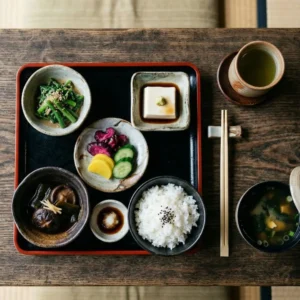
Shojin Ryōri (Zen Vegetarian Cuisine):
Experience the vegetarian cuisine developed in Zen monasteries. Several restaurants near major temples serve authentic shojin ryōri.
Recommended:
- Shigetsu (嵯峨野) at Tenryū-ji (requires advance reservation) – [Details]
- Izusen (いづ泉) near Daitoku-ji (walk-ins possible) – [Details]
Traditional Kaiseki:
Multi-course seasonal cuisine showcasing Kyoto’s culinary refinement.
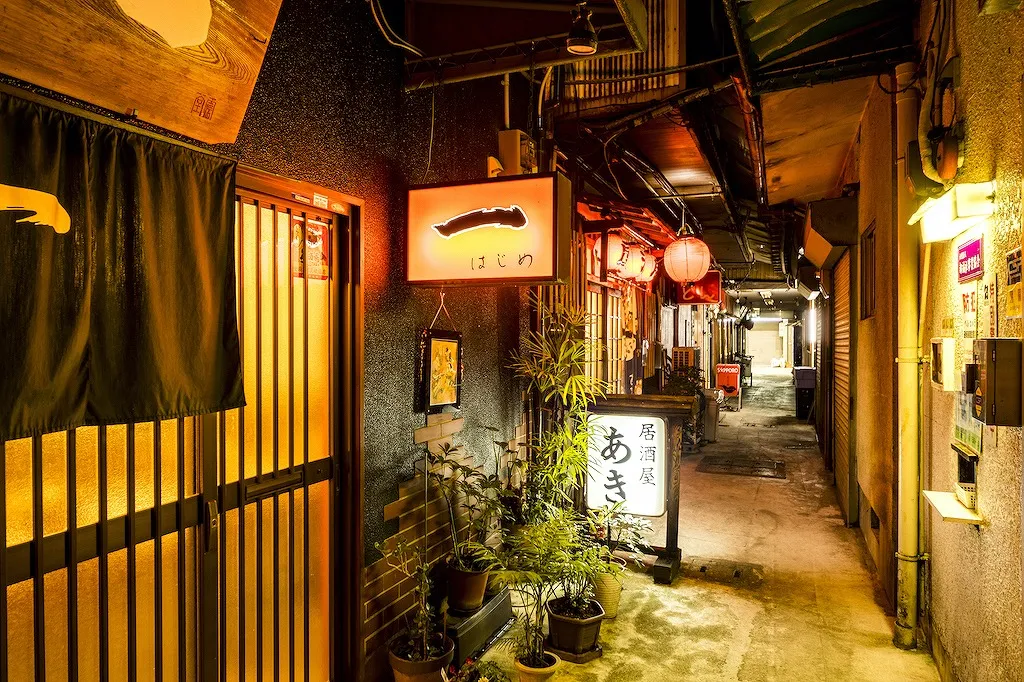
Izakaya:
For relaxed atmosphere, casual izakaya (Japanese pub) offers variety of small dishes and sake.
Practical Information
Budget Breakdown (Per Person, 3 Days)
Accommodation:
- Budget: ¥9,000-15,000 total (¥3,000-5,000/night × 3)
- Mid-range: ¥24,000-45,000 total (¥8,000-15,000/night × 3)
- Upscale: ¥60,000+ total (¥20,000+/night × 3)
Transportation:
- City Bus Passes: ¥2,100 (¥700 × 3 days)
- Airport transfer: ¥3,000-6,000 (train or bus)
- Total: ¥5,000-8,000
Temple Admissions:
- Day 1: ¥1,700-2,600 (Ryōan-ji ¥500, Daitoku-ji ¥800-1,600, optional Kinkaku-ji ¥500)
- Day 2: ¥1,700 (Nanzen-ji ¥1,200, Ginkaku-ji ¥500, optional Eikan-dō ¥600)
- Day 3: ¥1,800-2,400 (Kennin-ji ¥600, Kōdai-ji ¥600, optional Tōfuku-ji ¥500, optional night ¥600)
- Total: ¥5,000-7,000
Meals:
- Budget: ¥6,000 (¥2,000/day)
- Mid-range: ¥12,000 (¥4,000/day)
- Upscale: ¥24,000+ (¥8,000+/day)
Miscellaneous:
- Goshuin stamps: ¥2,400-4,000 (¥300-500 × 8-10 temples)
- Souvenirs: Variable
- Total: ¥5,000-10,000
Grand Total (3 Days):
- Budget: ¥27,000-40,000 ($180-270 USD)
- Mid-range: ¥48,000-72,000 ($320-480 USD)
- Upscale: ¥96,000+ ($640+ USD)
Temple Etiquette Reminder
Before Entering:
- Bow at sanmon gate
- Silence phone or turn off
- Lower voice to whisper level
Inside Temples:
- Remove shoes at designated areas
- Sit properly on verandas (cross-legged or seiza)
- Ask before photographing: “Shashin wa daijōbu desu ka?” (写真は大丈夫ですか?)
- Never photograph Buddha statues or altars
- Don’t touch religious objects
Cultural Sensitivity:
- Dress modestly (shoulders and knees covered)
- Speak quietly
- Observe ceremonies from designated areas without interfering
- Donations appreciated but not required (¥100-500 in offering boxes)
Weather and Seasonal Tips
Spring (March-May):
- Temperature: 10-20°C
- Clothing: Light layers, rain jacket
- Crowds: High (especially early April cherry blossom)
- Advantage: Gardens at most beautiful
Summer (June-August):
- Temperature: 25-35°C
- Clothing: Light, breathable; hat; sunscreen
- Crowds: Moderate (except August)
- Challenge: Heat and humidity; visit mornings only
Autumn (October-November):
- Temperature: 15-25°C
- Clothing: Layers (mornings cool, afternoons warm)
- Crowds: Very high (especially mid-late November)
- Advantage: Spectacular foliage
Winter (December-February):
- Temperature: 2-10°C
- Clothing: Warm jacket, layers, gloves
- Crowds: Low
- Advantage: Peaceful; occasional snow magical
Modifying the Itinerary
If You Have Only 2 Days:
Combine Day 1 and Day 2 essentials:
- Day 1: Ryōan-ji (morning), Daitoku-ji (late morning), Ginkaku-ji (afternoon via bus, skipping Philosopher’s Path)
- Day 2: Nanzen-ji (morning), Kennin-ji (midday), Kōdai-ji (afternoon)
If You Have 4+ Days:
Add:
- Day 4: Arashiyama area (Tenryū-ji, bamboo grove, Okōchi Sansō villa)
- Day 5: Myōshin-ji complex (deeper temple exploration)
- Day 6: Day trip to Nara or Ōhara
If Focused on Specific Interests:
Gardens: Ryōan-ji, Daitoku-ji (Daisen-in), Tōfuku-ji, Tenryū-ji
Architecture: Nanzen-ji, Kennin-ji, Myōshin-ji
Wabi-Sabi Aesthetics: Ginkaku-ji, Daitoku-ji (Kōtō-in), Kōdai-ji
Meditation Practice: Shōkoku-ji zazen, temple stay at Myōshin-ji or Daitoku-ji
Beyond Temples: Enhancing Your Experience
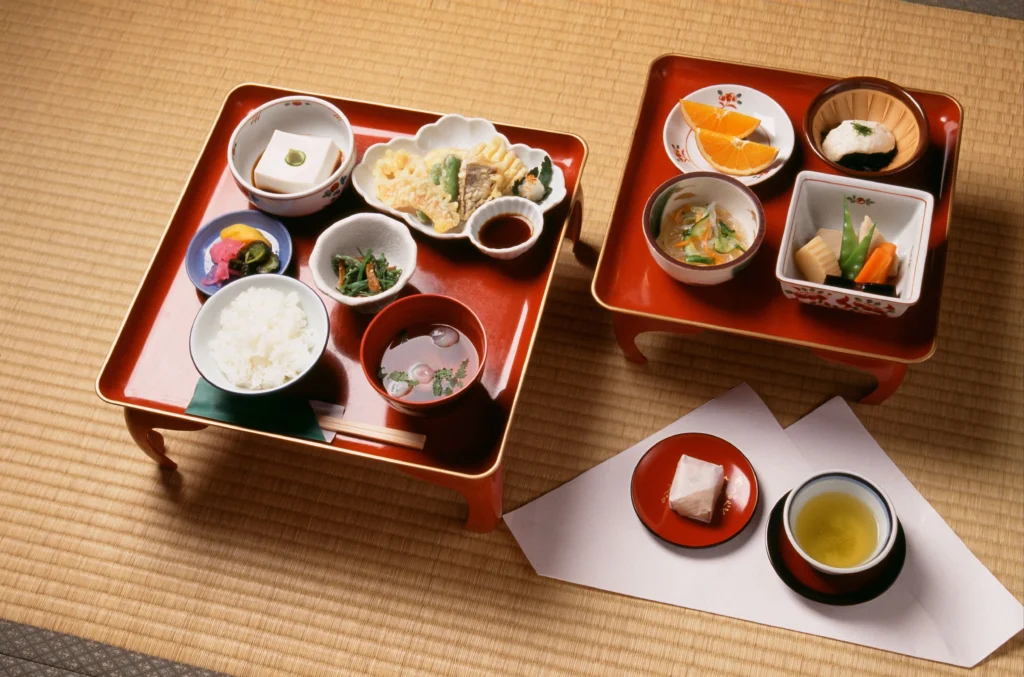
Shojin Ryōri (Zen Vegetarian Cuisine)
Don’t just visit temples—taste Zen philosophy. Shojin ryōri, the vegetarian cuisine developed in Buddhist monasteries, offers culinary expression of Zen principles.
Where to Experience:
- Izusen (泉仙) near Daitoku-ji – [Details]
- Shigetsu (嵯峨野) at Tenryū-ji (reservation required) – [Details]
- Ajiro (あじろ) near Nanzen-ji – [Details]
Cost: ¥3,000-8,000 per person
Tea Ceremony Experience
Several temples offer tea ceremony demonstrations or participatory sessions:
Kennin-ji: Occasional tea ceremonies in historic tea rooms Kōdai-ji: Seasonal tea events Private Tea Houses: Near temples in Gion and Higashiyama
What to Expect:
- 30-60 minutes
- Traditional matcha preparation
- Seasonal sweets (wagashi)
- Basic etiquette explanation
Cost: ¥1,000-3,000 for basic experience
Temple Lodging (Shukubō)
For the ultimate immersion, stay overnight at a temple:
Myōshin-ji: Some sub-temples offer lodging Daitoku-ji: Limited availability Cost: ¥8,000-15,000 including meals
Experience includes:
- Simple tatami room
- Shojin ryōri meals
- Morning meditation/service participation
- Quiet evening in temple grounds
Book well in advance (especially peak seasons)
Books and Resources for Deeper Understanding
Before Your Trip:
- “Zen Mind, Beginner’s Mind” by Shunryu Suzuki (meditation foundations)
- “In Praise of Shadows” by Jun’ichirō Tanizaki (Japanese aesthetics)
- “Wabi-Sabi for Artists, Designers, Poets & Philosophers” by Leonard Koren
After Your Trip:
- “The Three Pillars of Zen” by Philip Kapleau (practice deepening)
- “Opening the Hand of Thought” by Kōshō Uchiyama (Zen philosophy)
Frequently Asked Questions
Q: Can I complete this itinerary if I don’t speak Japanese?
A: Absolutely. Major temples have English signage and pamphlets. Transportation is well-marked in English. Restaurant picture menus are common. Basic phrases help but aren’t essential. Temple etiquette transcends language—observe and follow others’ behavior.
Q: Is this itinerary suitable for children?
A: Older children (10+) who can appreciate quiet beauty will enjoy it. Younger children may find temple visits repetitive and rules about quiet behavior challenging. Consider:
- Shortening daily schedules
- Focusing on temples with gardens offering more visual interest
- Including breaks at playgrounds or less formal sites
- Visiting during off-peak times when space to move exists
Q: How flexible is the schedule?
A: Very flexible. The suggested times provide structure, but adjust to your pace. Prefer lingering at one temple over rushing through several. The itinerary prioritizes depth over breadth. Skip optional temples without guilt. The goal is meaningful experience, not checklist completion.
Q: What if weather is bad?
A: Rain actually enhances many temple experiences—wet stones and moss glow, gardens take on different moods, crowds thin. Bring umbrella or rain jacket and embrace it. If typhoon or severe weather, focus on temples with more covered areas (Kennin-ji, Daitoku-ji sub-temples) and skip long outdoor walks.
Q: Should I buy a goshuin stamp book?
A: If you appreciate calligraphy and want meaningful souvenirs, yes. Purchase blank goshuin-chō (¥1,000-2,000) at the first temple you visit. Each temple provides unique calligraphic stamp and inscription (¥300-500). The book becomes artistic record of your journey. If not interested in collecting, skip it—no pressure.
Q: Are temples wheelchair accessible?
A: Accessibility varies significantly. Larger temples (Nanzen-ji, Kennin-ji) have some accessible areas. Traditional temples often have steps, gravel paths, and shoe removal requirements creating barriers. Contact temples directly before visiting to discuss specific needs. Some sub-temples at Daitoku-ji and Myōshin-ji have minimal accessibility.
Q: Can I visit these temples during New Year (Dec 31-Jan 3)?
A: Temples open but extremely crowded during New Year. Many Japanese visit temples for hatsumode (first shrine/temple visit of the year). If visiting during this period, expect:
- Much larger crowds
- Modified hours
- Special New Year ceremonies
- Higher prices for accommodation
- Different atmosphere (festive rather than contemplative)
Consider visiting late December (Dec 26-30) or after Jan 4 for more typical experience.
Conclusion: The Journey Continues
These three days offer structured encounter with Zen Buddhism’s living heritage—from iconic rock gardens to hidden monastery corners, from monumental architecture to intimate tea houses. But the true value emerges not from seeing these places but from how they change your seeing.
By Day 3, you’ve developed literacy in Zen aesthetics. You recognize wabi-sabi principles in weathered wood. You understand how architecture dissolves inside/outside boundaries. You appreciate how gardens express philosophy through stone and gravel. This literacy transforms not just how you experience temples but how you perceive everyday environments.
Comprehensive guide: Deepen your understanding of the Zen philosophy you’ve encountered
Comprehensive guide: Apply wabi-sabi principles to your own life and spaces
The gardens you’ve contemplated will surface in memory for years—Ryōan-ji’s stones appearing during moments requiring calm perspective, Ginkaku-ji’s sand sculptures reminding you that simple tasks performed with attention become meditation, Daitoku-ji’s narrative garden suggesting that life’s rapids eventually reach vast ocean.
Zen teaches that enlightenment isn’t found in special places but in ordinary moments experienced fully. Yet these extraordinary temples—refined over centuries to support awakening—provide space to practice this presence. What you’ve cultivated here travels with you.
What to Do Next:
Continue the Journey in Kyoto:
Related guide: Explore detailed information about each temple on this trail
Related guide: Understand the architectural principles that shape these sacred spaces
Extend to Other Regions:
- Kamakura: Coastal Zen temple town
- Nara: Ancient capital with different Buddhist traditions
- Mount Kōya: Esoteric Buddhist monastery complex
Bring Zen Home:
Comprehensive guide: Create your own miniature Zen garden
Comprehensive guide: Establish home zazen meditation practice
Plan Your Next Visit: Kyoto’s Zen heritage is inexhaustible. This trail introduces essentials, but dozens of other temples await: Tenryū-ji’s mountain-framed garden, Myōshin-ji’s vast complex, regional temples beyond Kyoto. Each return reveals new depths.
The trail ends where you began—at the entrance to a temple, about to step through the sanmon gate from ordinary world into sacred space. But now you understand: that threshold exists everywhere, every moment. The gate is always before you, always open, always inviting you to enter presence.
Welcome home to Zen. Welcome home to yourself.
Related Articles & Resources
Complete guide to the ten essential Zen temples