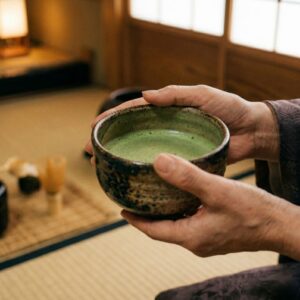
A Complete Guide to Understanding Zen Philosophy
Zen Buddhism is a school of Mahayana Buddhism that emphasizes direct experiential insight into one’s true nature through meditation, particularly zazen (sitting meditation). Originating as Chan Buddhism in 6th-century China—where Indian Buddhist teachings merged with Chinese Daoist thought—Zen was transmitted to Japan in the 12th and 13th centuries by monks Eisai and Dōgen, who established the Rinzai and Sōtō schools respectively. Rather than relying on scripture or intellectual understanding, Zen points to awakening through direct practice: seated meditation, mindful attention to daily activities, and the study of kōan (paradoxical questions). Its influence extends far beyond religion into Japanese art, architecture, tea ceremony, and garden design.
Introduction
Have you ever felt overwhelmed by the noise of modern life and wondered if there’s a simpler way to find peace? Zen Buddhism offers a path that strips away complexity and points directly to the nature of reality itself. Unlike many spiritual traditions filled with elaborate rituals and countless scriptures, Zen takes a remarkably direct approach: look within, experience the present moment, and awaken to your true nature.
But what exactly is Zen Buddhism? How did it develop, and what makes it different from other forms of Buddhism? Whether you’re seeking stress relief, spiritual growth, or simply curious about this influential philosophy, this guide will walk you through everything you need to know about Zen—from its origins in ancient China to its relevance in today’s fast-paced world.
By the end of this article, you’ll understand the core teachings of Zen, its historical development, key practices, and how this ancient wisdom can transform your daily life.
What Is Zen Buddhism? The Fundamental Definition
Zen Buddhism is a school of Mahayana Buddhism that emphasizes direct experience and meditation practice over theoretical knowledge and scriptural study. The word “Zen” comes from the Japanese pronunciation of the Chinese word “Chan” (禪), which itself derives from the Sanskrit word “dhyana,” meaning meditation or meditative state.
At its core, Zen teaches that enlightenment (or awakening) cannot be fully understood through words or concepts—it must be directly experienced. This experience comes through disciplined meditation practice, particularly zazen (sitting meditation), and often through the guidance of a teacher who has already achieved deep realization.
The Essence of Zen in Three Principles
Zen philosophy can be distilled into three fundamental principles:
Direct Pointing to the Mind: Zen emphasizes direct transmission of wisdom from teacher to student, bypassing complex philosophical discussions. The famous phrase “a special transmission outside the scriptures” captures this idea—enlightenment comes through direct experience, not intellectual understanding.
Seeing One’s True Nature: The goal of Zen practice is to recognize your original nature or “Buddha-nature”—the inherent awakened quality that exists within all beings. This isn’t about becoming something new, but recognizing what has always been present.
Becoming Buddha: Unlike some traditions that view enlightenment as a distant goal requiring countless lifetimes, Zen teaches that awakening is possible in this very moment. Through dedicated practice and sudden insight, practitioners can realize their true nature and “become Buddha.”
The Historical Origins of Zen Buddhism
From India to China: The Birth of Chan
The story of Zen begins with Siddhartha Gautama, the historical Buddha, who lived in India around 2,500 years ago. According to Zen tradition, the Buddha transmitted his deepest teaching not through words but through a simple gesture. When asked to explain the dharma (Buddhist teaching), he simply held up a flower. Only one disciple, Mahakasyapa, understood and smiled. This “mind-to-mind transmission” became the foundation of the Zen lineage.
Buddhism spread from India along the Silk Road, reaching China around the 1st century CE. However, Zen as a distinct school emerged in the 6th century when an Indian monk named Bodhidharma traveled to China. Bodhidharma is considered the first patriarch of Chan Buddhism and is famous for his austere approach to practice.
Legend tells that Bodhidharma meditated facing a wall for nine years at Shaolin Temple, demonstrating the intense dedication required for Zen practice. When the Chinese Emperor Wu asked him about the merit of his Buddhist works, Bodhidharma famously replied, “No merit whatsoever”—emphasizing that true practice comes from the mind, not external actions.
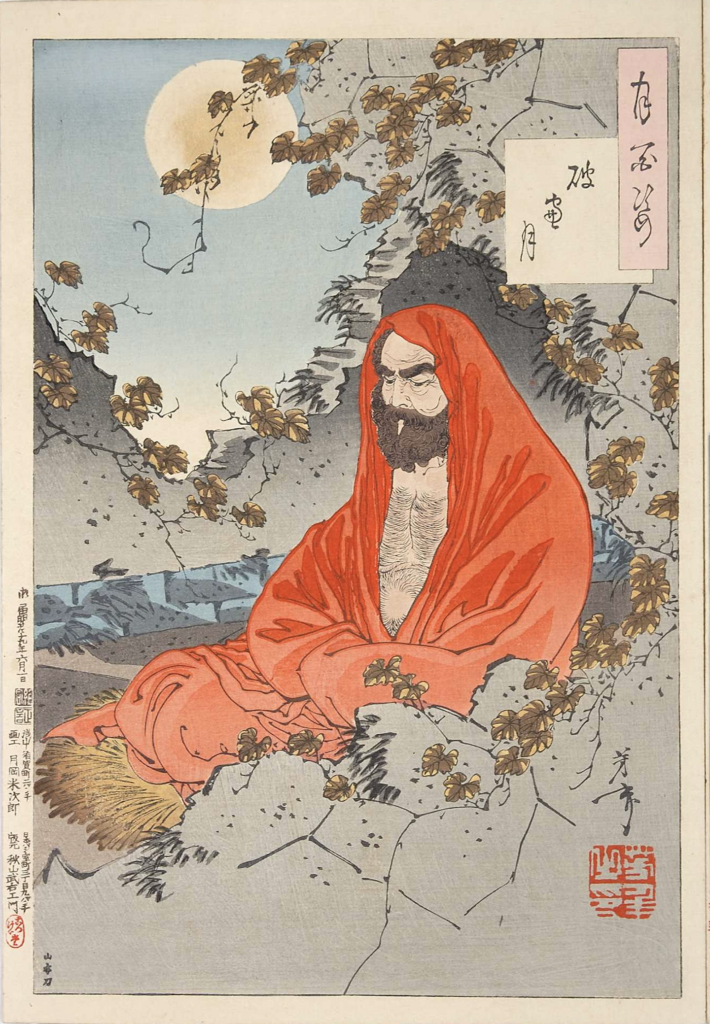
Tsukioka Yoshitoshi, Mounting Moon over a Broken Window, from the series One Hundred Aspects of the Moon, depicting Bodhidharma (Woodblock print, 1887)
The Golden Age of Chinese Chan
Chan Buddhism flourished in China during the Tang Dynasty (618-907 CE), producing many renowned masters and the development of different teaching styles. This period saw the composition of foundational texts like the “Platform Sutra of the Sixth Patriarch,” attributed to Huineng, which emphasized that enlightenment could come suddenly rather than through gradual cultivation.
Two main schools emerged during this time:
The Caodong School (later Soto Zen in Japan) emphasized “silent illumination” and gradual practice, teaching that enlightenment is revealed through sustained meditation.
The Linji School (later Rinzai Zen in Japan) used dynamic teaching methods including shouting, striking, and paradoxical questions (koans) to provoke sudden awakening.
Zen’s Journey to Japan
Zen arrived in Japan during the 12th and 13th centuries, brought by Japanese monks who had studied in China. Eisai (1141-1215) introduced Rinzai Zen, while Dogen (1200-1253) established the Soto school. These two schools remain the primary forms of Zen practiced in Japan today.
In Japan, Zen profoundly influenced culture beyond the monastery walls. The samurai class adopted Zen principles of discipline and presence in the face of death. Zen aesthetics shaped traditional arts including tea ceremony, calligraphy, poetry, garden design, and flower arrangement. This integration of Zen into daily life became one of its defining characteristics in Japanese culture.
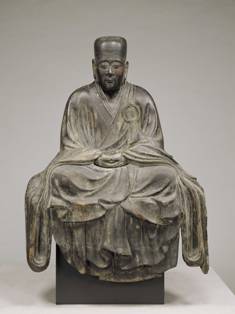
Seated Statue of Myoan Eisai Kamakura period,
13th–14th century Collection of Jufuku-ji Temple, Kanagawa
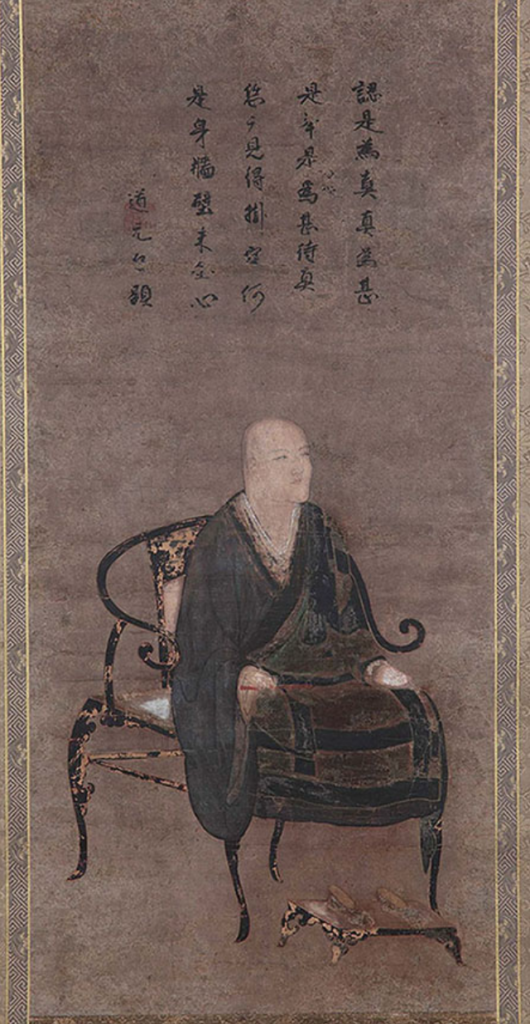
Portrait of Zen Master Dogen Color on paper, 16th century, Eihei-ji Temple
This work is highly regarded as a faithful copy of the original portrait created during the Kamakura period.
Related guide: Kamakura temples: A Guide to Japan’s Ancient Warrior Capital
Core Teachings and Philosophy of Zen
The Doctrine of Emptiness (Sunyata)
One of Zen’s most fundamental yet misunderstood concepts is emptiness. In Buddhist philosophy, emptiness doesn’t mean nothingness or void. Instead, it refers to the absence of inherent, independent existence in all phenomena.
Everything exists in relationship to everything else—nothing has a permanent, unchanging essence separate from the web of causes and conditions. A flower exists because of soil, water, sunlight, seeds, and countless other factors. Remove any of these, and the flower doesn’t exist. The flower is “empty” of independent self-nature.
Understanding emptiness liberates us from rigid attachments and opens us to the fluid, interconnected nature of reality. In Zen practice, this isn’t just a philosophical concept but a lived experience that transforms how we relate to ourselves and the world.
Non-Dualistic Thinking
Zen challenges our habitual way of dividing reality into opposing categories: self and other, subject and object, sacred and profane, enlightenment and delusion. This dualistic thinking creates artificial separations that obscure the unified nature of existence.
Through Zen practice, practitioners develop what’s called “non-dual awareness”—a way of experiencing reality that transcends these conceptual divisions. This doesn’t mean that distinctions don’t exist on a practical level, but rather that we recognize their ultimately constructed nature.
A famous Zen saying illustrates this: “Before I studied Zen, mountains were mountains and rivers were rivers. When I first studied Zen, mountains were no longer mountains and rivers were no longer rivers. But after understanding Zen, mountains are mountains and rivers are rivers.” The journey moves from naive acceptance, through deconstructive insight, to a deeper appreciation that transcends yet includes both perspectives.
The Present Moment and Mindfulness
Zen places tremendous emphasis on being fully present in each moment. The past exists only as memory, the future only as imagination—the only reality is this present moment. Yet our minds constantly wander, replaying past events or worrying about future scenarios, causing us to miss the vividness of actual experience.
Zen master Shunryu Suzuki expressed this beautifully: “The most important thing is to find out what is the most important thing.” That most important thing is always right here, right now. Whether washing dishes, walking, or sitting in meditation, Zen practice cultivates complete attention to present experience.
This emphasis on presence differs from some forms of mindfulness that treat the present moment as a tool for stress reduction. In Zen, being present isn’t just beneficial—it’s the very ground of awakening itself.
Related guide: Mono no Aware: The Japanese Philosophy of Bittersweet Beauty
Buddha-Nature: Your Original Face
Perhaps Zen’s most encouraging teaching is that all beings possess Buddha-nature—the potential for complete awakening. You don’t need to become something you’re not; you need to recognize what you’ve always been.
Zen masters often ask: “What was your original face before your parents were born?” This paradoxical question points to your fundamental nature beyond all acquired identities, beliefs, and conditioning. Discovering this original nature is the heart of Zen practice.
Related guide: kintsugi, the art of golden repair
How Zen Differs from Traditional Buddhism
While Zen is authentically Buddhist and preserves core teachings like the Four Noble Truths and the Eightfold Path, it differs from other Buddhist schools in several distinctive ways:
Minimalism in Scripture and Ritual
Traditional Buddhist schools often emphasize extensive study of sutras (Buddhist scriptures) and elaborate ritual practices. Theravada Buddhism, for example, maintains a vast collection of the Buddha’s teachings in the Pali Canon. Tibetan Buddhism incorporates complex visualizations, mantras, and ceremonial practices.
Zen, by contrast, is famously iconoclastic. While not rejecting scriptures entirely, Zen de-emphasizes textual study in favor of direct practice. The famous Zen saying “a finger pointing at the moon” warns against mistaking descriptions of truth (the finger) for truth itself (the moon). Words and concepts can guide us, but they can never substitute for direct experience.
Emphasis on Sudden Enlightenment
Many Buddhist traditions teach that enlightenment requires gradual progress over many lifetimes, accumulating merit and slowly purifying the mind. Zen, particularly the Rinzai school, emphasizes the possibility of sudden awakening—a breakthrough moment where one’s true nature is directly realized.
This doesn’t mean Zen practice is quick or easy. Years of dedicated meditation may precede the moment of insight. But Zen maintains that awakening isn’t a distant goal—it’s a present possibility, always available when conditions align.
The Role of Paradox and Koans
Zen uniquely employs koans—paradoxical questions or stories designed to short-circuit logical thinking and provoke direct insight. Famous koans include “What is the sound of one hand clapping?” and “Does a dog have Buddha-nature?”
These aren’t riddles to be solved intellectually. Instead, they’re meditation objects that frustrate the conceptual mind until it exhausts itself, creating an opening for direct perception. A student might work with a single koan for months or years under a teacher’s guidance.
Master-Student Relationship
While teacher-student relationships exist throughout Buddhism, Zen places particular emphasis on personal transmission from master to student. The teacher (roshi in Japanese) doesn’t just provide instruction but serves as a living embodiment of awakened mind.
Students meet regularly with their teacher in private interviews (dokusan), where the teacher can assess progress, provide guidance, and directly challenge the student’s understanding. This relationship continues until the teacher recognizes genuine realization in the student.
Related guide: the philosophy of Zen architecture
Key Zen Practices for Awakening
Zazen: The Heart of Zen Practice
Zazen, or sitting meditation, is the foundational practice of Zen. Unlike visualization or mantra-based meditation, zazen involves simply sitting in alert stillness, observing whatever arises in awareness without judgment or manipulation.
In the Soto tradition, this is called “shikantaza” or “just sitting”—practicing without any goal, even the goal of enlightenment. The practice itself is enlightenment manifesting. In Rinzai Zen, sitting often involves concentrating on a koan or following the breath.
The posture of zazen follows precise guidelines: sitting on a cushion with legs crossed (full lotus, half lotus, or Burmese position), spine erect, hands forming the cosmic mudra, eyes slightly open with a downward gaze. This physical form supports mental clarity and presence.
Kinhin: Walking Meditation
Between periods of sitting meditation, Zen practitioners engage in kinhin, a form of slow, meditative walking. Practitioners walk in a line around the meditation hall, coordinating breath with deliberate steps.
Kinhin demonstrates that meditation isn’t limited to sitting—mindfulness can infuse any activity. It also provides physical relief during long meditation sessions while maintaining the continuity of practice.
Koan Study in Rinzai Zen
In Rinzai Zen, students receive koans from their teacher and bring their understanding to regular interviews. The teacher accepts or rejects the student’s presentation, often in ways that seem arbitrary or harsh to outsiders but serve to deepen insight.
The Rinzai tradition includes systematic collections of koans, like the “Gateless Gate” and “Blue Cliff Record,” with hundreds of cases. Working through this curriculum under a teacher’s guidance can take decades.
Samu: Work Practice
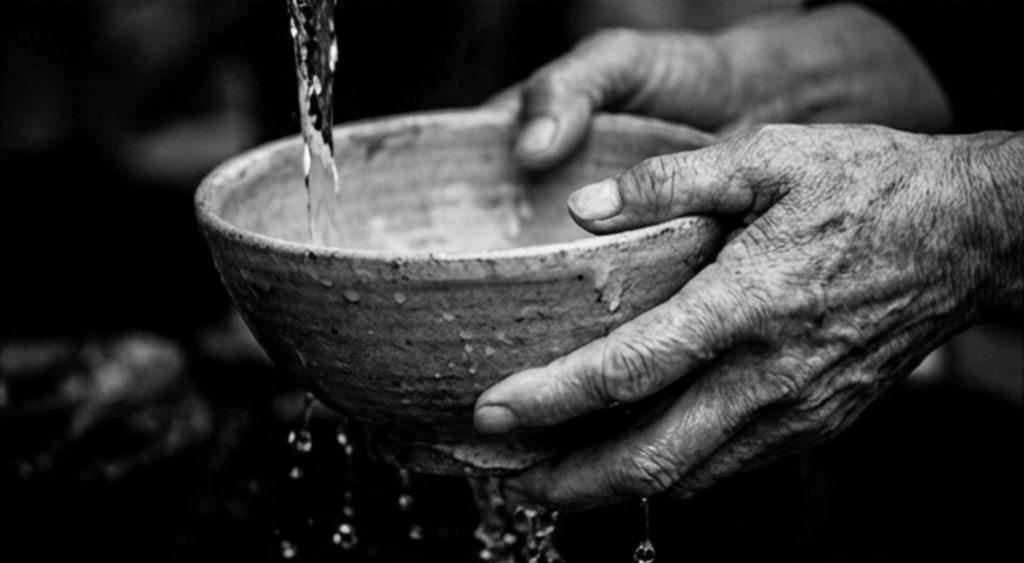
Zen monasteries emphasize samu, or work practice—mindful engagement with daily tasks like cleaning, cooking, and gardening. Every activity becomes an opportunity for practice when performed with complete attention.
This integration of meditation into daily life distinguishes Zen from traditions that separate “practice time” from “ordinary life.” In Zen, washing dishes is no less sacred than sitting meditation. As the saying goes: “Before enlightenment, chop wood and carry water. After enlightenment, chop wood and carry water.”
Famous Zen Masters and Their Contributions
Bodhidharma (5th-6th century): The Fierce Founder
Bodhidharma brought Chan Buddhism to China with an uncompromising approach. His teaching emphasized meditation above all else, famously declaring that even reading Buddhist scriptures had “no merit” if not accompanied by direct practice. His image—with bulging eyes and stern expression—became iconic in Zen art.
Huineng (638-713): The Illiterate Genius
The Sixth Patriarch of Chan Buddhism, Huineng, revolutionized Zen teaching. According to tradition, he was an illiterate woodcutter who achieved sudden enlightenment upon hearing a passage from the Diamond Sutra. His “Platform Sutra” emphasized that everyone possesses Buddha-nature and that enlightenment can occur suddenly, regardless of education or status.
Dogen (1200-1253): The Philosopher of Practice
Dogen founded Soto Zen in Japan after studying in China. His masterwork, the “Shobogenzo,” is one of the most profound Buddhist philosophical texts. Dogen taught that practice and enlightenment are inseparable—sitting meditation isn’t a means to achieve enlightenment but the expression of enlightenment itself.
Hakuin (1686-1769): The Koan Master
Hakuin revitalized Rinzai Zen in Japan, systematizing koan study and creating new teaching methods. His most famous koan, “What is the sound of one hand clapping?” remains widely known even outside Zen circles. Hakuin emphasized the importance of post-enlightenment practice, teaching that initial awakening must be deepened and integrated.
Shunryu Suzuki (1904-1971): Zen in the West
Suzuki Roshi brought Zen to America, founding San Francisco Zen Center in 1962. His book “Zen Mind, Beginner’s Mind” introduced Western audiences to Zen practice with refreshing simplicity. He emphasized maintaining “beginner’s mind”—approaching practice with openness and wonder rather than expertise.
Zen in Daily Life: Practical Applications
The Zen Approach to Work
Zen teaches that we can approach any task as meditation. Rather than dividing life into “spiritual practice” and “ordinary activities,” Zen integrates awareness into every moment.
At work, this means giving complete attention to each task without allowing the mind to scatter into past regrets or future anxieties. It means finding satisfaction in work well done rather than constantly seeking the next achievement. As Zen master Thich Nhat Hanh teaches, “Washing the dishes to wash the dishes” rather than washing dishes to get them done.
Relationships and Communication
Zen cultivation develops what Buddhists call “deep listening”—the ability to be fully present with another person without immediately formulating responses or judgments. This quality of attention itself becomes a gift we offer others.
Zen also teaches us to see beyond our projections and conceptual overlays to meet people as they actually are. This doesn’t mean becoming passive or losing healthy boundaries, but rather responding from wisdom rather than automatic reactivity.
Decision-Making and Problem-Solving
When faced with difficult decisions, Zen practice offers an alternative to endless mental analysis. By settling the mind through meditation, we can access intuitive wisdom that sees the situation more clearly than conceptual thinking alone.
Zen teaches us to trust our “original mind”—the spontaneous wisdom that emerges when we stop trying to control everything. This doesn’t mean abandoning rational thought but recognizing its limitations and complementing it with deeper sources of knowing.
Dealing with Stress and Anxiety
Modern life generates constant stress through its relentless pace and endless demands. Zen offers practical tools for working with anxiety without being controlled by it.
Rather than fighting anxious thoughts or seeking to eliminate them, Zen teaches us to observe them with spacious awareness. We learn that thoughts and emotions, while real, aren’t solid facts requiring immediate action. This creates space for wise response rather than automatic reaction.
Related guide: Ichigo Ichie: The Japanese Art of Living in the Unrepeatable Moment
Related guide: Visiting Zen temples in Kyoto
Related guide: the Zen tea ceremony tradition
Common Misconceptions About Zen
“Zen Means Not Thinking”
Many people believe Zen practice involves eliminating all thoughts. While Zen meditation includes developing concentration, the goal isn’t to create a blank mind. Rather, Zen teaches us to change our relationship with thoughts—observing them without being enslaved by them.
Thoughts will arise; this is natural. The practice involves not grasping at pleasant thoughts or pushing away unpleasant ones, but letting them come and go like clouds passing through the sky.
“Zen Is About Detachment”
Another misconception is that Zen practitioners become cold, emotionally detached, or indifferent to life. True Zen practice actually increases our capacity for genuine feeling and engagement.
What Zen develops is non-attachment—not clinging to experiences or resisting change—which differs from detachment. A Zen practitioner can fully enjoy beauty, feel appropriate sadness at loss, and respond to injustice, all without being controlled by these experiences.
“Zen Rejects All Concepts and Beliefs”
While Zen is famously iconoclastic, this doesn’t mean rejecting all conceptual understanding. Zen teachings themselves use concepts and words. The point isn’t that concepts are bad, but that they’re ultimately tools pointing beyond themselves.
Zen encourages us to hold beliefs lightly, recognizing their constructed nature, while still engaging in practical discrimination and appropriate action in daily life.
Related guide: Koi no Yokan: The Japanese Feeling of Knowing Love Is Coming
Starting Your Zen Journey: Practical Next Steps
Finding a Teacher or Sangha
While books and online resources provide valuable information, authentic Zen practice traditionally requires a teacher and community (sangha). A qualified teacher can guide your practice, correct misunderstandings, and provide encouragement during difficult periods.
Look for Zen centers affiliated with established lineages—Soto or Rinzai in the Japanese tradition, or Korean, Vietnamese, or Chinese Chan lineages. Many centers offer introductory classes and beginner-friendly meditation sessions.
If no Zen center exists nearby, online sanghas have emerged, especially since 2020, offering remote practice opportunities and teacher guidance via video conferencing.
Establishing a Home Practice
Even with teacher guidance, daily home practice forms the foundation of Zen training. Start modestly—even 10-15 minutes daily builds consistency. Create a simple meditation space: a cushion or chair, perhaps a small altar with a candle or incense.
Commit to sitting at the same time each day. Many practitioners find morning practice, before daily activities begin, most sustainable. Gradually extend your sitting time as your practice stabilizes.
Resources for Further Study
Essential Books:
- “Zen Mind, Beginner’s Mind” by Shunryu Suzuki
- “The Three Pillars of Zen” by Philip Kapleau
- “Opening the Hand of Thought” by Kosho Uchiyama
- “The Way of Zen” by Alan Watts
Related guide: Best Buddhist Books: A Reading Guide from Zen to Tibetan Buddhism
Online Resources:
- Treeleaf Zendo (online Soto Zen community)
- San Francisco Zen Center’s resources
Attending a Retreat
Once you’ve established basic practice, consider attending a Zen retreat (sesshin). These intensive periods of meditation—typically ranging from a weekend to a week or longer—accelerate development by removing daily distractions.
Retreats follow a structured schedule with multiple meditation periods, work practice, meals eaten in meditation style, and often interviews with teachers. While challenging, retreats provide profound insight into your mind and direct experience of deepened practice.
Conclusion
Zen Buddhism offers a direct path to awakening that cuts through complexity to reveal the extraordinary nature of ordinary experience. By emphasizing meditation over intellectualization, presence over distraction, and direct experience over secondhand knowledge, Zen provides practical methods for transforming how we relate to ourselves and our world.
Whether you’re drawn to Zen for stress relief, spiritual development, or philosophical interest, the practice offers benefits accessible to anyone willing to sit still and look within. You don’t need to adopt Asian cultural forms or abandon your current life circumstances—Zen practice integrates into any lifestyle.
The journey begins with a single breath, a single moment of presence. As the Zen saying goes, “When you reach the top of the mountain, keep climbing.” Each step on the path is itself the destination.
Ready to begin? Find a cushion, sit down, and experience this moment fully. That’s Zen.
Frequently Asked Questions
Q: Is Zen Buddhism a religion?
A: Zen functions as both a religious tradition within Buddhism and a practical philosophy that can be practiced without religious belief. While traditional Zen includes rituals, chanting, and devotional elements, the core practice of meditation is accessible to people of any faith or no faith.
Q: How long does it take to achieve enlightenment in Zen?
Zen teachers traditionally say enlightenment is both immediate and requires lifelong practice. Initial awakening experiences can occur after months or years of dedicated practice, but deepening and integrating that realization continues indefinitely. The journey itself is the destination.
A: Can I practice Zen without a teacher?
While books and self-study provide valuable understanding, traditional Zen emphasizes the importance of a teacher who has realized what they teach. A teacher can correct mistakes, provide encouragement, and verify genuine insight. However, beginning practice on your own while seeking a teacher is perfectly acceptable.
Q: What’s the difference between Soto and Rinzai Zen?
A: Soto Zen emphasizes “just sitting” (shikantaza) without objects of concentration, teaching that practice itself is enlightenment. Rinzai Zen uses koans and more dynamic methods to provoke sudden awakening. Both are authentic Zen traditions; the choice often depends on temperament and available teachers.
Q: Do I need to be Buddhist to practice Zen?
A: No. While Zen developed within Buddhism and incorporates Buddhist philosophy, the meditation practice itself is universal. Many practitioners integrate Zen meditation into Christian, Jewish, or secular frameworks. However, studying Zen’s Buddhist context enriches understanding of the practice.