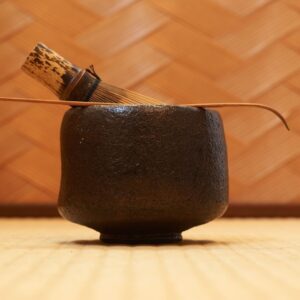
Raku Pottery: The Zen Art of Imperfect Tea Bowls
Raku pottery (楽焼, raku-yaki) is a Japanese ceramic tradition created in the 16th century specifically for the Zen tea ceremony.

Raku pottery (楽焼, raku-yaki) is a Japanese ceramic tradition created in the 16th century specifically for the Zen tea ceremony.
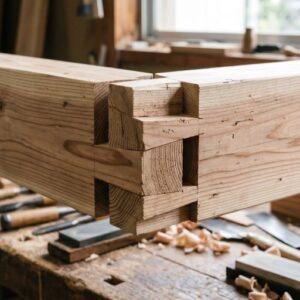
Japanese woodworking (木造, mokuzo) is a building and craft tradition spanning over 1,300 years that achieves structural integrity entirely through
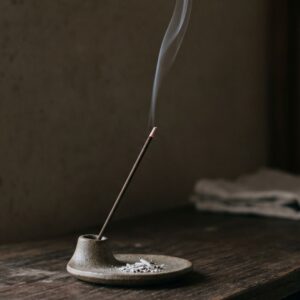
Kōdō (香道, “the way of incense”) is one of Japan’s three classical arts of refinement, alongside chadō (tea ceremony) and
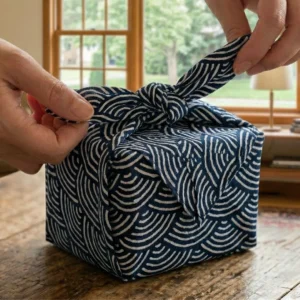
Furoshiki (風呂敷) is the traditional Japanese art of wrapping objects in square cloth, used for centuries to carry, protect, and
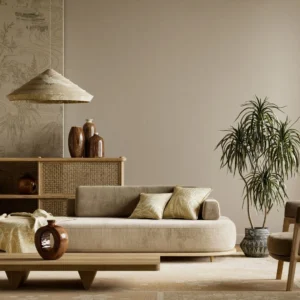
Japandi is a hybrid interior design aesthetic that combines Japanese wabi-sabi philosophy with Scandinavian minimalism. The style merges Japan’s appreciation

Sashiko (刺し子, “little stabs”) is a traditional Japanese form of decorative reinforcement stitching that originated in rural northern Japan during

Shodō (書道, “the way of writing”) is the Japanese art of calligraphy, a meditative practice in which brush, ink, and
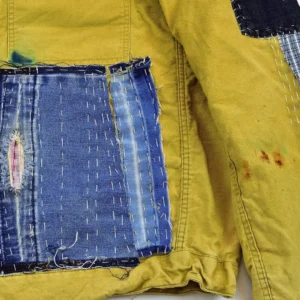
Sashiko (刺し子, “little stabs”) is a traditional Japanese form of decorative reinforcement stitching that originated in rural northern Japan during
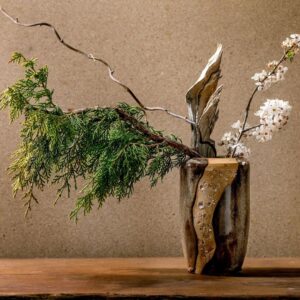
Ikebana (生け花, “making flowers alive”) is the Japanese art of flower arrangement, also known as kadō (花道, “the way of
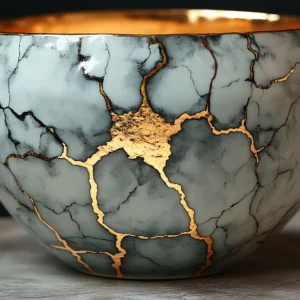
Kintsugi (金継ぎ, “golden joinery”) is the Japanese art of repairing broken ceramics with lacquer mixed with powdered gold, silver, or